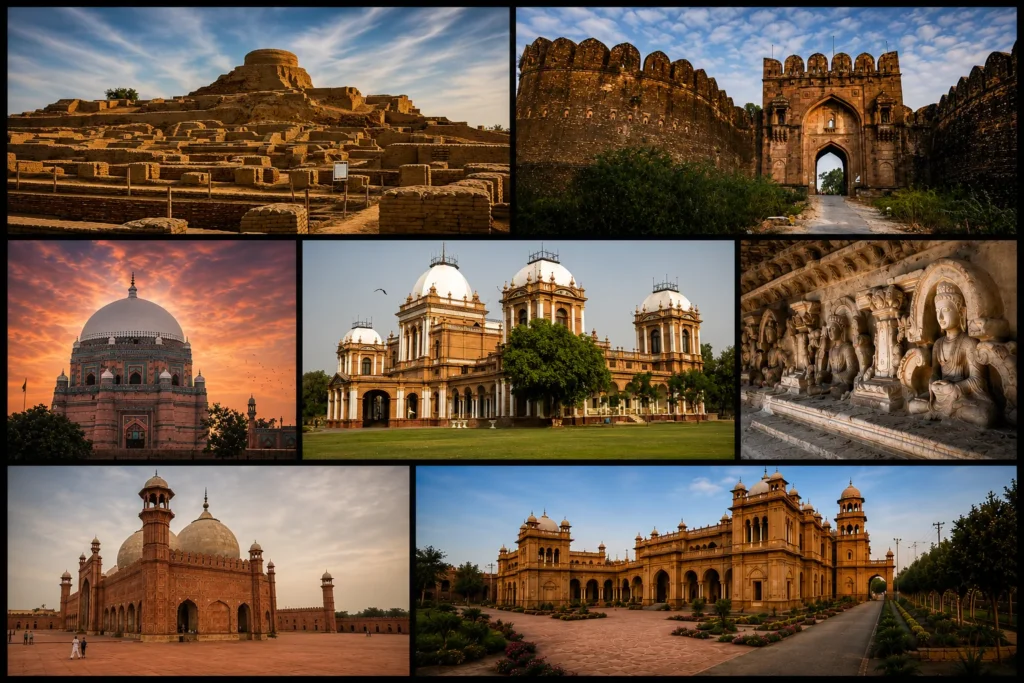
Pakistan is home to some of South Asia’s most remarkable archaeological, historical, and cultural treasures. From the ancient ruins of the Indus Valley Civilization to magnificent Mughal monuments and Buddhist heritage sites, the country’s UNESCO World Heritage Sites tell stories spanning thousands of years. These locations are not only important to Pakistan’s history but also to the shared heritage of humanity.
Visiting the UNESCO World Heritage Sites in Pakistan offers a unique opportunity to explore ancient civilizations, architectural masterpieces, religious traditions, and cultural landmarks. Whether you are a history enthusiast, photographer, researcher, or traveler seeking meaningful experiences, these sites provide an unforgettable journey through Pakistan’s rich past.
Location & Background
Pakistan’s UNESCO World Heritage Sites are spread across different provinces, reflecting the country’s historical and cultural diversity.
These sites include remains of the ancient Indus Valley Civilization, Buddhist archaeological complexes, Mughal architectural masterpieces, and historic forts. Together, they showcase thousands of years of human history in the region.
The United Nations Educational, Scientific and Cultural Organization (UNESCO) recognizes these landmarks because of their outstanding universal value. Their preservation helps future generations understand the civilizations and cultures that shaped South Asia.
How to Reach UNESCO Sites in Pakistan
Most UNESCO sites are accessible through Pakistan’s major cities, including Islamabad, Lahore, Karachi, and Multan.
Domestic highways, railways, and airports provide convenient access to many historical destinations.
Distance Table from Islamabad
| UNESCO Site | Distance | Approximate Travel Time |
|---|---|---|
| Taxila | 35 km | 45 Minutes |
| Rohtas Fort | 115 km | 2 Hours |
| Lahore Fort & Shalimar Gardens | 375 km | 4–5 Hours |
| Takht-i-Bahi | 160 km | 3–4 Hours |
| Makli Necropolis | 1,150 km | Flight + Road Travel |
| Mohenjo-daro | 900 km+ | Flight + Road Travel |
| Fort and Shalamar Gardens, Lahore | 375 km | 4–5 Hours |
Travel conditions, road access, and transportation schedules may change. Visitors should verify local travel information before departure.
Where to Stay
Hotels Near Historical Cities
Most UNESCO sites are located near major cities that offer a range of accommodation options.
Heritage Hotels
Cities such as Lahore provide accommodations that reflect traditional architecture and cultural heritage.
Budget Guest Houses
Budget-friendly guest houses are available near Taxila, Takht-i-Bahi, and other historical destinations.
Modern City Hotels
Visitors planning multi-city heritage tours often stay in Islamabad, Lahore, Peshawar, Karachi, or Hyderabad and travel to nearby sites during the day.
Accommodation availability and prices may vary seasonally, so verify current details before booking.
Weather & Best Time to Visit
Historical sites can be visited throughout the year, but weather conditions vary depending on location.
Season Table
| Season | Months | Conditions |
|---|---|---|
| Spring | March–May | Pleasant temperatures, ideal for sightseeing |
| Summer | June–August | Hot in many regions |
| Autumn | September–November | Comfortable weather and clear skies |
| Winter | December–February | Cool temperatures, ideal for exploring cities |
Best Time to Visit
For most UNESCO World Heritage Sites in Pakistan, October to April offers the most comfortable sightseeing conditions.
Spring and autumn are particularly suitable for outdoor exploration, photography, and heritage tourism.
Places to Visit
Mohenjo-daro
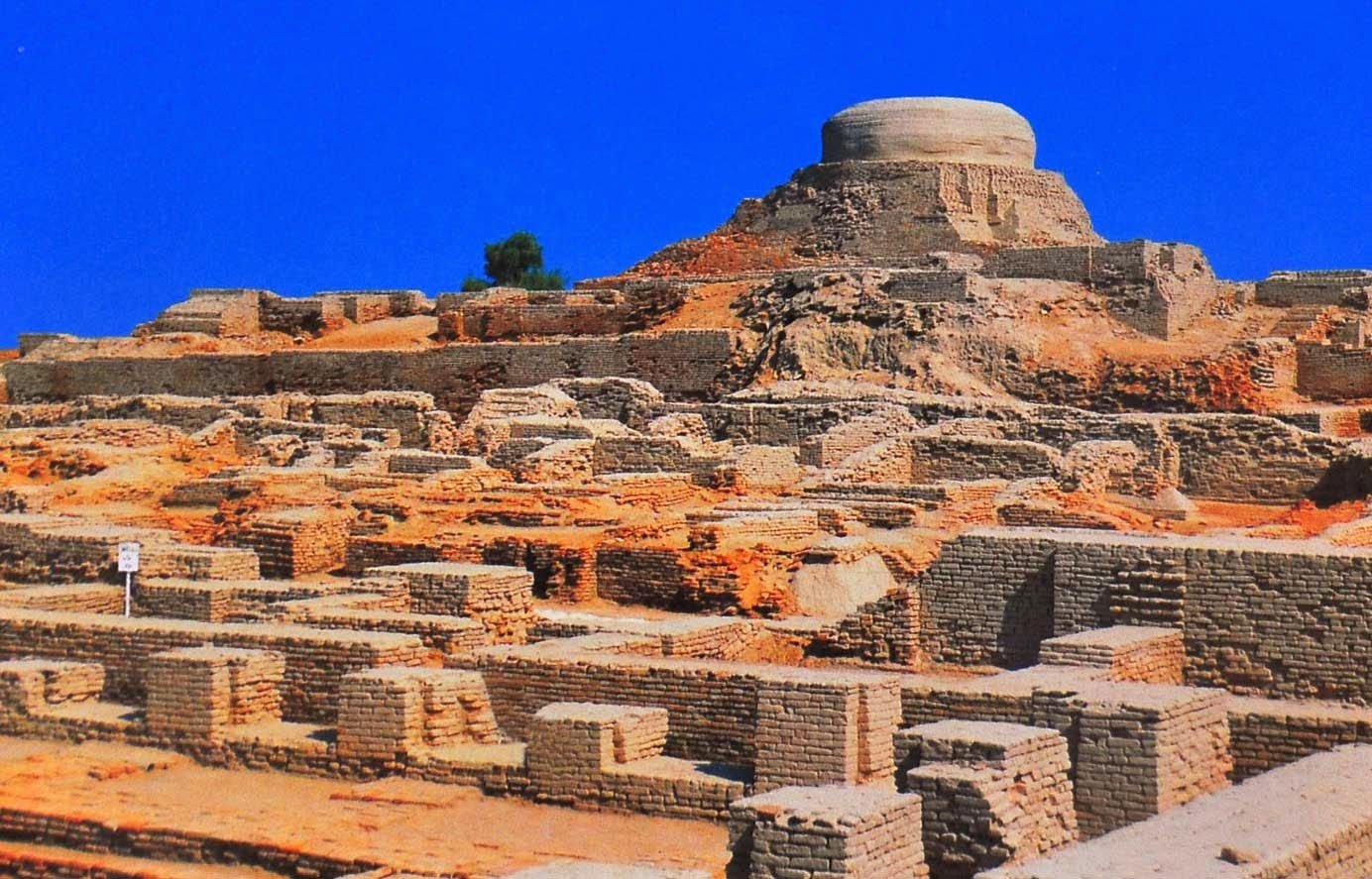
Mohenjo-daro is one of the world’s most important archaeological sites.
Dating back more than 4,000 years, it was one of the largest cities of the ancient Indus Valley Civilization. Visitors can explore streets, drainage systems, granaries, and public structures that demonstrate advanced urban planning.
The site is located in Sindh and attracts historians, archaeologists, and travelers from around the world.
Taxila
Taxila was an important center of learning, trade, and Buddhism for centuries.
The archaeological complex contains monasteries, temples, stupas, and settlements representing multiple civilizations. Ancient scholars and travelers once visited Taxila to study philosophy, religion, and science.
Today, it remains one of the most significant heritage attractions in Pakistan.
Lahore Fort
The Lahore Fort is one of the finest examples of Mughal architecture in South Asia.
Built and expanded by various Mughal emperors, the fort contains magnificent palaces, courtyards, halls, and decorative artwork. Its historical significance makes it a must-visit destination for cultural travelers.
Shalimar Gardens
Located in Lahore, Shalimar Gardens showcase the elegance of Mughal landscape design.
Terraces, fountains, water channels, and symmetrical layouts demonstrate the artistic vision of the Mughal era. The Shalimar Gardens continue to attract visitors interested in architecture, history, and photography.
Rohtas Fort
Rohtas Fort was constructed during the reign of Sher Shah Suri in the 16th century.
Built primarily for military purposes, the fort features massive defensive walls, gates, and impressive engineering techniques. Its remarkable preservation makes it one of Pakistan’s most important historical landmarks.
Takht-i-Bahi
Takht-i-Bahi is a well-preserved Buddhist monastic complex located in Khyber Pakhtunkhwa.
The site sits on a hilltop and offers insights into Buddhist culture and architecture that flourished in the region centuries ago. The monastery’s strategic location protected it from invasions and weather damage.
Sahr-i-Bahlol
Often visited alongside Takht-i-Bahi, Sahr-i-Bahlol was an ancient fortified city.
Together, these sites provide valuable evidence of Gandhara civilization and Buddhist heritage in the region.
Makli Necropolis
Makli Necropolis in Sindh is one of the largest funerary sites in the world.
It contains thousands of tombs and monuments built over several centuries. The architectural styles represent influences from Islamic, Persian, Central Asian, and local traditions.
The site offers a unique perspective on the region’s cultural and artistic evolution.
Why UNESCO World Heritage Sites Matter
These sites preserve important chapters of human history.
Ancient cities such as Mohenjo-daro reveal early urban development, while monuments like Lahore Fort and Shalimar Gardens showcase architectural achievements of powerful empires.
Protecting these locations contributes to cultural education, international tourism, and historical research.
They also help travelers gain a deeper understanding of Pakistan’s role in regional and global history.
Travel Tips & Safety
- Wear comfortable walking shoes because many sites require extensive exploration.
- Carry water and sun protection during warmer months.
- Respect cultural, religious, and historical significance of monuments.
- Follow photography rules where applicable.
- Do not climb on fragile archaeological structures.
- Keep identification documents accessible.
- Hire local guides if you want detailed historical information.
- Check opening hours before traveling.
- Verify transport arrangements in advance.
- Confirm ticket prices and visitor regulations locally, as they may change over time.
3-Day Sample Itinerary
Day 1: Islamabad & Taxila
- Visit Taxila Museum
- Explore Dharmarajika Stupa
- Visit Sirkap archaeological remains
- Return to Islamabad
Day 2: Rohtas Fort & Lahore
- Travel to Rohtas Fort
- Explore major gates and defensive walls
- Continue to Lahore
- Evening cultural walk
Day 3: Lahore Heritage Tour
- Visit Lahore Fort
- Explore Shalimar Gardens
- Discover Walled City attractions
- Return or extend your heritage journey
FAQs
1. How many UNESCO World Heritage Sites are in Pakistan?
Pakistan currently has several UNESCO World Heritage Sites, including Mohenjo-daro, Taxila, Lahore Fort and Shalimar Gardens, Rohtas Fort, Takht-i-Bahi, and Makli Necropolis.
2. Which UNESCO site is the oldest in Pakistan?
Mohenjo-daro is considered the oldest UNESCO site in Pakistan and dates back more than 4,000 years.
3. What is the most famous UNESCO site in Pakistan?
Lahore Fort and Mohenjo-daro are among the most famous and frequently visited UNESCO sites.
4. Where is Taxila located?
Taxila is located near Islamabad in Punjab Province and is easily accessible by road.
5. Why is Mohenjo-daro important?
It provides evidence of one of the world’s earliest urban civilizations and demonstrates advanced city planning.
6. Can families visit UNESCO sites?
Yes. Most UNESCO sites are suitable for families, students, and educational tours.
7. What is the best time to visit these sites?
October through April generally provides the most comfortable weather for sightseeing.
8. Is photography allowed?
Photography is usually allowed in most areas, but visitors should follow site-specific regulations.
9. How much time is needed to explore Lahore Fort?
Most visitors spend two to four hours exploring the fort and surrounding heritage areas.
10. What should I wear when visiting UNESCO sites?
Comfortable clothing, walking shoes, and weather-appropriate accessories are recommended.
11. Are local guides available?
Many major heritage sites offer local guides who provide historical information and context.
12. Are UNESCO sites suitable for history enthusiasts?
Absolutely. These sites offer valuable insights into ancient civilizations, empires, religions, and architectural traditions.