Pakistan is a land where history comes alive through ancient cities, magnificent forts, centuries-old mosques, archaeological ruins, and cultural landmarks. Every region of the country preserves remarkable stories of civilizations that flourished thousands of years ago, from the Indus Valley Civilization to the Mughal Empire and beyond.
Exploring the Famous Historical Places to Visit in Pakistan is more than a sightseeing experience. It is an opportunity to walk through ancient streets, admire architectural masterpieces, and understand the civilizations that helped shape South Asia. Whether you are a history enthusiast, student, photographer, or traveler, Pakistan’s historical attractions offer unforgettable experiences and deep cultural insights.
Location & Background
Pakistan’s historical landmarks are spread across all provinces, from the archaeological sites of Sindh to the Mughal monuments of Punjab and the Buddhist heritage of Khyber Pakhtunkhwa.
These sites represent thousands of years of history and include ancient settlements, forts, shrines, palaces, mosques, and colonial-era buildings. Some have been recognized internationally for their historical and cultural significance.
The country’s rich heritage makes it one of South Asia’s most fascinating destinations for cultural tourism and historical exploration.
How to Reach Historical Sites in Pakistan
Most historical sites can be accessed through Pakistan’s major cities, including Islamabad, Lahore, Karachi, Multan, and Peshawar.
Domestic flights, motorways, railways, and highways connect travelers to major heritage destinations.
Distance Table from Islamabad
| Historical Site | Distance | Approximate Travel Time |
|---|---|---|
| Taxila | 35 km | 45 Minutes |
| Rohtas Fort | 115 km | 2 Hours |
| Lahore Fort | 375 km | 4–5 Hours |
| Shalimar Gardens | 380 km | 4–5 Hours |
| Takht-i-Bahi | 160 km | 3–4 Hours |
| Mohenjo-daro | 900+ km | Flight + Road |
| Makli Necropolis | 1,150 km | Flight + Road |
| Multan Fort Area | 540 km | 6–7 Hours |
Travel conditions, transport schedules, and access regulations can change. Visitors should verify information locally before planning their trip.
Where to Stay
Heritage Hotels
Historical cities such as Lahore and Multan offer heritage-style accommodations that reflect local architecture and culture.
Modern Hotels
Major cities provide a wide range of hotels suitable for different budgets.
Guest Houses
Budget travelers can find guest houses near many famous tourist attractions.
Boutique Accommodation
Several historical districts also feature boutique properties that blend traditional design with modern facilities.
As hotel prices may change depending on season and occupancy, verify rates directly before booking.
Weather & Best Time to Visit
The best time to explore historical places depends on weather conditions.
Season Table
| Season | Months | Conditions |
|---|---|---|
| Spring | March–May | Pleasant weather and ideal sightseeing |
| Summer | June–August | Hot in many regions |
| Autumn | September–November | Comfortable temperatures |
| Winter | December–February | Cool and ideal for heritage tourism |
Best Time to Visit
October to April is generally considered the most comfortable period for visiting historical attractions throughout Pakistan.
Spring and autumn are especially popular because weather conditions allow visitors to explore outdoor monuments comfortably.
Places to Visit
Lahore Fort
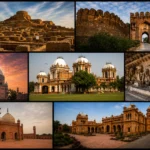
Among the most famous historical places in Pakistan, Lahore Fort represents the grandeur of the Mughal Empire.
Located in the heart of Lahore, the fort contains magnificent palaces, royal chambers, courtyards, and decorative artwork. Travelers often combine a visit here with Badshahi Mosque Travel Guide to explore two iconic landmarks located within walking distance of each other.
The Sheesh Mahal, Alamgiri Gate, and Naulakha Pavilion remain among its most admired attractions.
Badshahi Mosque
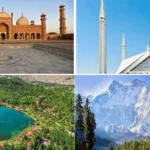
Built in 1673 by Emperor Aurangzeb, Badshahi Mosque is one of the largest and most beautiful mosques in the world.
Its vast courtyard, red sandstone architecture, and historical significance attract visitors from across the globe. The mosque remains one of the most photographed landmarks in Pakistan.
Shalimar Gardens
The Shalimar Gardens showcase the artistic brilliance of Mughal landscape design.
Terraces, fountains, and water channels create a peaceful environment that reflects the architectural excellence of the Mughal period. Visitors exploring Lahore often include Places to Visit in Lahore within their travel plans to discover additional heritage locations nearby.
Rohtas Fort
Rohtas Fort in Punjab was constructed by Sher Shah Suri during the 16th century.
This impressive military fortification features massive walls, monumental gates, and strategic defensive architecture. The fort remains one of Pakistan’s best-preserved historical structures.
Mohenjo-daro
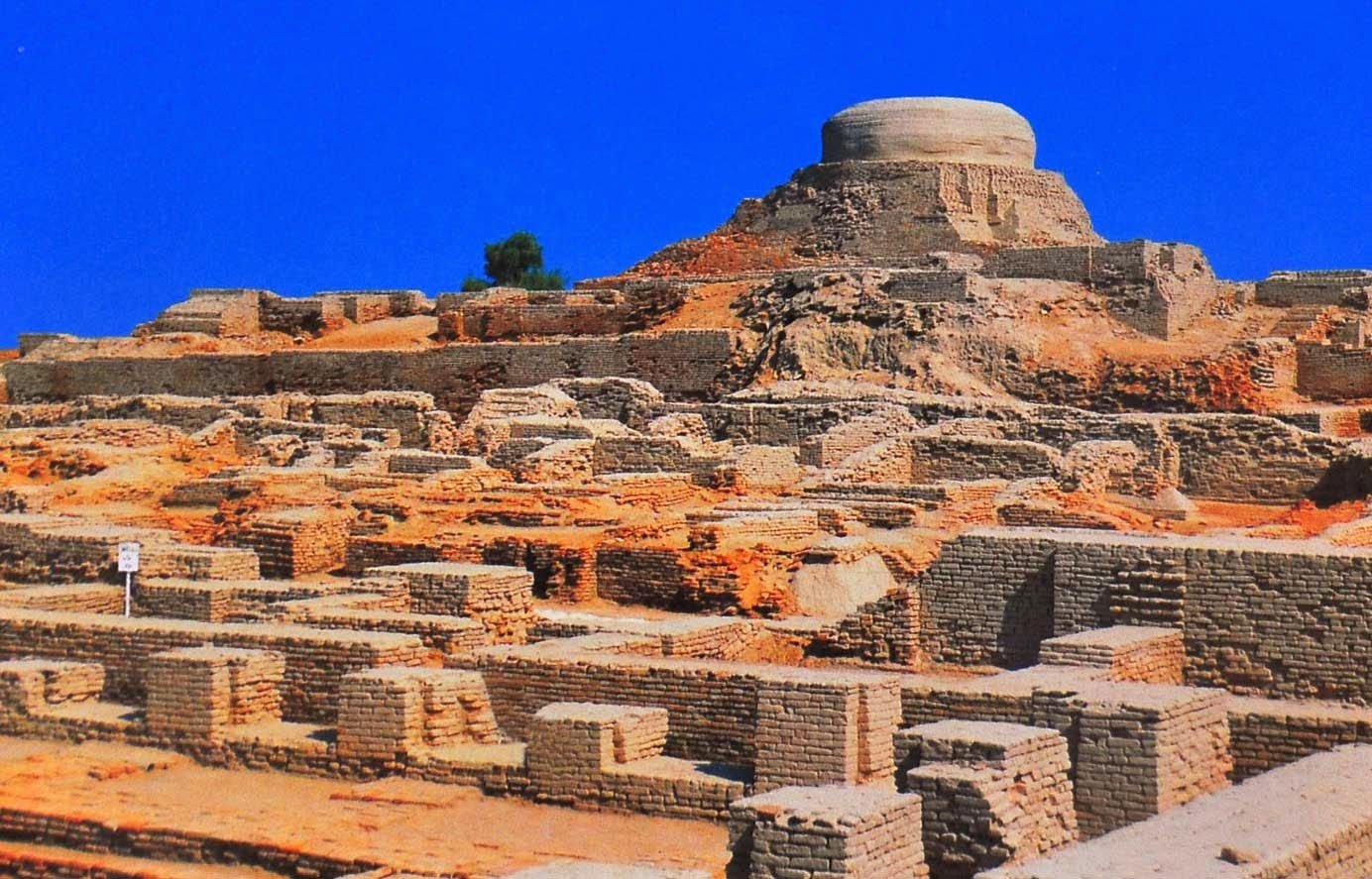
Mohenjo-daro is one of the most important archaeological sites in the world.
Dating back more than 4,000 years, the city belonged to the Indus Valley Civilization. Its advanced drainage systems, urban planning, and public infrastructure continue to fascinate historians and archaeologists.
Taxila
Taxila served as a major center of learning, culture, and trade for centuries.
The site contains ancient monasteries, stupas, temples, and settlements that reflect Buddhist, Persian, Greek, and Central Asian influences. Travelers interested in cultural heritage often connect Taxila with UNESCO World Heritage Sites in Pakistan due to its global significance.
Takht-i-Bahi
Located in Khyber Pakhtunkhwa, Takht-i-Bahi is a well-preserved Buddhist monastery complex.
The ruins provide valuable insights into Buddhist civilization and ancient religious practices in the region.
Makli Necropolis
Makli Necropolis is among the largest funerary sites in the world.
Thousands of tombs and monuments spread across the landscape, showcasing centuries of architectural and artistic evolution. The site reflects influences from Persian, Islamic, and Central Asian traditions.
Multan Fort Area
Although much of the original fort no longer survives, the surrounding area remains historically significant.
The city is home to beautiful shrines, ancient markets, and architectural treasures that represent Multan’s rich history. Visitors frequently pair their journey with Historical Places in Multan to explore the city’s heritage in greater detail.
Noor Mahal
Located in Bahawalpur, Noor Mahal is one of Pakistan’s most elegant palaces.
Built during the late 19th century, the palace combines Islamic and European architectural influences. Its beautifully maintained structure remains a major tourist attraction.
Derawar Fort
Derawar Fort rises dramatically from the Cholistan Desert and is among Pakistan’s most striking historical landmarks.
Its massive walls are visible from great distances, creating an unforgettable sight in the desert landscape. Travelers visiting this region often combine their trip with Cholistan Desert Travel Guide experiences to better understand the area’s culture and history.
Wazir Khan Mosque
Situated within Lahore’s Walled City, Wazir Khan Mosque is famous for its intricate tile work and detailed frescoes.
It is considered one of the finest examples of Mughal-era craftsmanship and artistry.
Katas Raj Temples
The Katas Raj temple complex in Punjab holds immense religious and historical significance.
The site consists of ancient temples surrounding a sacred pond and attracts visitors interested in history, architecture, and cultural heritage.
Faisal Mosque
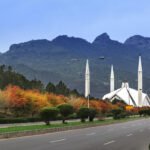
Although relatively modern compared to other sites on this list, Faisal Mosque remains one of Pakistan’s most iconic landmarks.
Its unique architecture and scenic location against the Margalla Hills make it a popular attraction for domestic and international visitors.
Travel Tips & Safety
- Wear comfortable shoes for long periods of walking.
- Carry water, especially during warmer months.
- Respect cultural and religious customs at heritage sites.
- Avoid touching fragile historical structures.
- Follow photography rules where applicable.
- Carry identification documents.
- Visit during daylight hours whenever possible.
- Consider local guides for deeper historical insight.
- Check opening hours before travel.
- Verify ticket fees and visitor regulations locally, as they may change over time.
3-Day Sample Itinerary
Day 1: Islamabad & Taxila
- Visit Taxila Museum
- Explore ancient ruins
- Visit nearby archaeological sites
- Overnight stay in Islamabad
Day 2: Rohtas Fort & Lahore
- Morning visit to Rohtas Fort
- Travel to Lahore
- Explore Lahore Fort
- Evening visit to Badshahi Mosque
Day 3: Heritage Tour of Lahore
- Visit Shalimar Gardens
- Explore Wazir Khan Mosque
- Walk through the Walled City
- Experience historical markets and landmarks
FAQs
1. What are the most famous historical places in Pakistan?
Lahore Fort, Badshahi Mosque, Mohenjo-daro, Taxila, Rohtas Fort, Makli Necropolis, and Takht-i-Bahi are among the most famous historical attractions.
2. Which historical site is the oldest in Pakistan?
Mohenjo-daro is considered one of the oldest historical sites in Pakistan and dates back to the Indus Valley Civilization.
3. Which city has the most historical attractions?
Lahore is widely regarded as Pakistan’s cultural and historical capital due to its numerous Mughal-era monuments and heritage sites.
4. Is Taxila worth visiting?
Yes. Taxila offers a fascinating glimpse into ancient Buddhist and Gandhara civilizations and is one of Pakistan’s most significant archaeological destinations.
5. What is the best time to visit historical places in Pakistan?
October through April generally provides the most comfortable weather for sightseeing.
6. Is Rohtas Fort a UNESCO site?
Yes. Rohtas Fort is recognized as a UNESCO World Heritage Site because of its architectural and historical importance.
7. How much time is needed to explore Lahore Fort?
Most visitors spend two to four hours exploring the fort and nearby attractions.
8. Can families visit historical sites?
Yes. Most historical landmarks are family-friendly and suitable for educational trips.
9. Are guides available at historical attractions?
Many major historical sites provide local guides who explain the history and significance of the monuments.
10. What should I wear while visiting heritage sites?
Comfortable clothing and walking shoes are recommended. Modest attire is advisable when visiting religious landmarks.
11. Is photography allowed?
Photography is generally allowed, although restrictions may exist in certain areas.
12. Why should tourists visit historical places in Pakistan?
These sites offer a deeper understanding of ancient civilizations, architecture, religion, culture, and the historical development of the region.