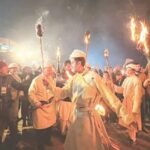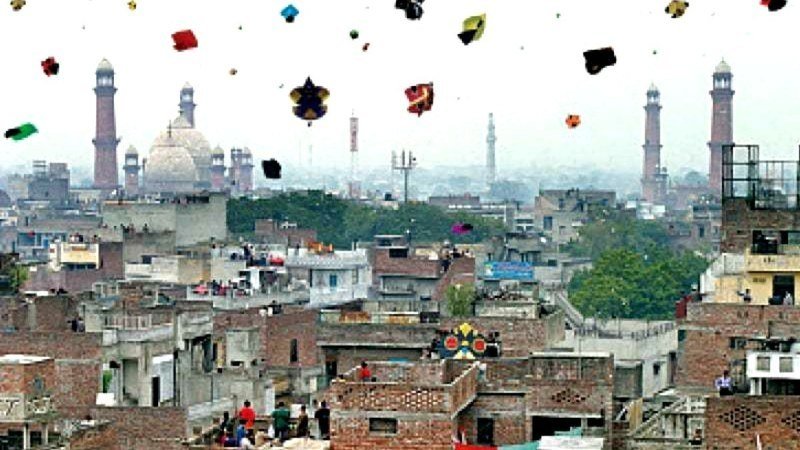
Basant Festival is one of Lahore’s most famous cultural celebrations, traditionally marking the arrival of spring in Punjab. Known for colorful kites, yellow clothing, festive gatherings, music, traditional food, and rooftop celebrations, Basant became an important symbol of Lahore’s cultural identity. For decades, the city’s skyline transformed into a vibrant display of kites competing in friendly aerial contests.
Although the festival remains deeply connected to Lahore’s cultural heritage, visitors should understand that government regulations regarding kite flying have changed over the years due to safety concerns. This guide explores the history of Basant, its cultural significance, current regulations, major attractions, travel tips, and everything visitors should know before planning a trip to Lahore during the spring season.
Location & Background
Basant is traditionally associated with Lahore, the capital of Punjab Province. Historically celebrated during late winter and early spring, the festival marked the transition from colder weather to the blooming season.
The festival’s origins are often linked to centuries-old spring celebrations across the Punjab region. Over time, Lahore became the cultural center of Basant festivities, attracting participants from across Pakistan and abroad.
During its peak popularity, rooftops across the city filled with families, friends, and kite enthusiasts. The skies would become crowded with colorful kites while neighborhoods echoed with music, cheering, and celebrations.
Today, Basant is remembered as an important chapter in Lahore’s cultural history, even though kite-flying activities remain subject to government restrictions and safety regulations.
How to Reach Lahore
Lahore is well connected to major cities through highways, railways, and international air travel.
Distance Table from Major Cities
| City | Distance to Lahore | Approximate Travel Time |
|---|---|---|
| Islamabad | 380 km | 4-5 Hours |
| Rawalpindi | 375 km | 4-5 Hours |
| Faisalabad | 180 km | 2.5-3 Hours |
| Multan | 350 km | 4-5 Hours |
| Peshawar | 520 km | 6-7 Hours |
| Karachi | 1,210 km | 14-16 Hours or Flight |
| Sialkot | 125 km | 2 Hours |
By Air
Allama Iqbal International Airport serves domestic and international travelers arriving in Lahore.
By Train
Pakistan Railways operates regular services connecting Lahore with Karachi, Islamabad, Rawalpindi, Multan, Peshawar, Faisalabad, and other cities.
By Road
Modern motorways including M-2 and M-3 provide convenient access to Lahore from different regions of Pakistan.
Where to Stay
Old Lahore Area
Travelers interested in heritage and culture often prefer accommodations near the Walled City.
Visitors exploring Lahore frequently combine cultural experiences with Historical Places to Visit in Pakistan and heritage landmarks located nearby.
Gulberg
Gulberg offers modern hotels, restaurants, shopping centers, and convenient transportation options.
DHA Lahore
Defense Housing Authority (DHA) contains numerous hotels and guest accommodations suitable for families and visitors seeking quieter surroundings.
Mall Road Area
Hotels near Mall Road provide easy access to museums, historical attractions, and commercial districts.
As hotel availability and rates may vary throughout the year, visitors should confirm details directly with accommodation providers before travel.
Weather & Best Time to Visit
Spring is traditionally associated with Basant celebrations.
Seasonal Weather Table
| Season | Months | Temperature Range |
|---|---|---|
| Winter | December-February | 5°C to 22°C |
| Spring | February-April | 15°C to 30°C |
| Summer | May-August | 30°C to 45°C |
| Autumn | September-November | 18°C to 32°C |
Best Time to Visit
February and March generally offer pleasant temperatures, flowering trees, and comfortable conditions for sightseeing.
During spring, visitors can enjoy Lahore’s parks, gardens, food streets, and historical attractions while learning about the city’s Basant heritage.
Places to Visit During a Basant-Themed Trip
Even when official Basant celebrations are limited, Lahore offers numerous cultural attractions that help visitors understand the city’s festive traditions.
Walled City of Lahore
The historic Walled City represents the cultural heart of Lahore.
Its narrow streets, traditional architecture, old markets, and heritage atmosphere provide insight into the city’s historic celebrations.
Many visitors include Places to Visit in Lahore within their itinerary while exploring the old city.
Lahore Fort
A UNESCO World Heritage Site, Lahore Fort showcases centuries of Mughal architecture and history.
The fort remains one of the city’s most important tourist attractions and helps visitors understand Lahore’s cultural heritage.
Travelers frequently combine visits here with UNESCO World Heritage Sites in Pakistan and other significant monuments.
Badshahi Mosque
Located opposite Lahore Fort, Badshahi Mosque remains one of the largest and most impressive mosques in South Asia.
Its magnificent architecture makes it a must-visit destination during any Lahore trip.
Shalimar Gardens
The Shalimar Gardens are especially beautiful during the spring season when flowers bloom across the historic Mughal landscape.
The gardens provide a peaceful environment for visitors interested in architecture and nature.
Food Street Lahore
Traditional food streets become particularly lively during spring evenings.
Visitors can sample Lahori specialties while experiencing the city’s famous hospitality. Food lovers often pair their visit with Best Food Streets in Pakistan to explore other culinary destinations nationwide.
Minar-e-Pakistan
This iconic national monument commemorates the Lahore Resolution of 1940.
Its surrounding park areas provide excellent opportunities for sightseeing and photography.
Lahore Museum
The museum houses important collections related to Punjab’s history, culture, art, and archaeology.
It is one of the best places to learn about Lahore’s cultural evolution and traditions.
History of Basant Festival
Basant has been celebrated in various forms across the Punjab region for centuries.
Historically, the festival marked the arrival of spring after winter and was associated with joy, renewal, and community celebrations. The tradition of kite flying gradually became the centerpiece of the festival.
By the late twentieth century, Basant had grown into one of Lahore’s largest cultural events. Rooftops became gathering spaces where families and friends competed in friendly kite contests.
The bright yellow color became strongly associated with the festival, symbolizing mustard flowers blooming across Punjab’s countryside.
Basant Rules and Current Regulations
Visitors should be aware that Basant celebrations have undergone significant changes due to public safety concerns.
Why Restrictions Were Introduced
Authorities introduced restrictions because certain kite-flying practices led to accidents and safety issues. Metallic and chemically coated strings became particularly controversial due to their potential risks.
Current Situation
Regulations regarding kite flying can change depending on government policies and court decisions.
Travelers interested in experiencing Basant-related activities should verify the latest regulations with local authorities before planning participation in any kite-flying events.
Important Safety Guidelines
- Follow all local regulations regarding kite flying.
- Avoid prohibited materials and strings.
- Observe official public safety instructions.
- Participate only in authorized activities.
- Respect local laws and community guidelines.
Travel Tips & Safety
- Verify current Basant-related regulations before travel.
- Wear comfortable clothing suitable for spring temperatures.
- Carry water during daytime sightseeing.
- Respect cultural customs and community traditions.
- Use licensed transportation services.
- Keep identification documents accessible.
- Explore historical attractions during morning or evening hours.
- Visit food streets during peak evening periods.
- Confirm hotel reservations in advance.
- Check local event schedules as festival-related activities may vary from year to year.
3-Day Sample Itinerary
Day 1: Historical Lahore
- Visit Lahore Fort
- Explore Badshahi Mosque
- Walk through Hazuri Bagh
- Evening at Food Street
Day 2: Cultural Exploration
- Visit Lahore Museum
- Explore the Walled City
- Tour Shalimar Gardens
- Evening cultural activities
Day 3: Modern & Heritage Lahore
- Visit Minar-e-Pakistan
- Explore local markets
- Enjoy traditional Punjabi cuisine
- Photography and sightseeing
FAQs
1. What is Basant Festival?
Basant is a traditional spring festival historically celebrated in Lahore and other parts of Punjab. It became famous for kite flying, cultural activities, and community gatherings.
2. Why is Basant famous in Lahore?
Lahore became the cultural center of Basant celebrations and was known for its large-scale rooftop kite-flying events.
3. What does the yellow color represent during Basant?
Yellow symbolizes spring, blooming mustard flowers, and the arrival of warmer weather.
4. Is Basant still celebrated today?
Basant remains an important cultural memory, although kite-flying activities may be restricted depending on current regulations.
5. Why were kite-flying restrictions introduced?
Restrictions were implemented primarily because of safety concerns associated with dangerous kite strings and related accidents.
6. Can tourists visit Lahore during spring?
Yes. Spring is one of the most pleasant seasons to explore Lahore’s historical and cultural attractions.
7. What food is associated with Basant?
Traditional Punjabi cuisine, street food, sweets, and seasonal dishes are commonly associated with Basant gatherings.
8. What are the main attractions near former Basant celebration areas?
The Walled City, Lahore Fort, Badshahi Mosque, Shalimar Gardens, and Food Street are among the most popular nearby attractions.
9. Is Lahore worth visiting outside of Basant season?
Absolutely. Lahore offers historical monuments, cultural landmarks, museums, and food experiences throughout the year.
10. What should visitors wear in spring?
Light and comfortable clothing is generally suitable, while evenings may require a light jacket.
11. Can families enjoy Lahore during spring?
Yes. Parks, gardens, museums, cultural attractions, and food streets make Lahore a family-friendly destination.
12. What is the best month to experience Lahore’s spring atmosphere?
February and March are generally considered the best months for experiencing Lahore during the spring season.