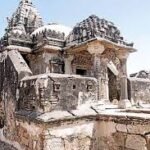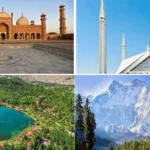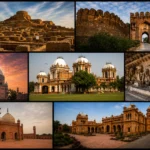
Pakistan is home to some of South Asia’s most important religious landmarks, representing Islamic, Sikh, Hindu, Buddhist, and Christian heritage. These sacred places attract pilgrims, history enthusiasts, cultural travelers, and architecture lovers from around the world. From magnificent mosques and Sufi shrines to ancient temples and Sikh gurdwaras, the country’s spiritual diversity is reflected in its remarkable religious sites.
Exploring the Famous Religious Places to Visit in Pakistan offers much more than sightseeing. It provides insight into centuries of faith, culture, architecture, and history. Whether you are interested in spirituality, heritage tourism, or cultural exploration, Pakistan’s religious landmarks offer unforgettable experiences and a deeper understanding of the region’s rich traditions.
Location & Background
Pakistan’s religious sites are spread across all provinces and territories. Many of these landmarks have served as centers of worship, learning, and cultural exchange for centuries.
The country is home to grand Islamic monuments, sacred Sikh pilgrimage destinations, ancient Hindu temples, Buddhist archaeological complexes, and historic churches. Together, these sites reflect Pakistan’s rich religious heritage and cultural diversity.
Many of these locations continue to welcome both worshippers and visitors while maintaining their religious significance.
How to Reach Religious Sites in Pakistan
Most religious landmarks are located near major cities and can be accessed through highways, railways, and domestic flights.
Islamabad, Lahore, Karachi, Multan, Peshawar, and Nankana Sahib serve as important gateways for religious tourism.
Distance Table from Islamabad
| Religious Site | Distance | Approximate Travel Time |
|---|---|---|
| Faisal Mosque | 10 km | 20 Minutes |
| Taxila Buddhist Sites | 35 km | 45 Minutes |
| Rohtas Fort Region | 115 km | 2 Hours |
| Data Darbar Lahore | 380 km | 4–5 Hours |
| Badshahi Mosque Lahore | 380 km | 4–5 Hours |
| Kartarpur Corridor | 430 km | 5–6 Hours |
| Nankana Sahib | 450 km | 5–6 Hours |
| Shah Rukn-e-Alam Shrine | 540 km | 6–7 Hours |
| Hinglaj Mata Temple | Long-distance travel | Flight + Road |
Travel schedules, entry requirements, and local regulations may change. Visitors should verify information before traveling.
Where to Stay
City Hotels
Major cities such as Lahore, Islamabad, Karachi, and Multan offer accommodation for all budgets.
Guest Houses
Religious tourism destinations often have guest houses near major pilgrimage sites.
Heritage Hotels
Historical cities feature heritage-style hotels that complement cultural and religious travel experiences.
Modern Accommodations
Modern hotels located near transport hubs provide convenient access to religious landmarks.
Hotel rates and availability may vary by season, religious events, and local conditions.
Weather & Best Time to Visit
The ideal time to visit most religious places depends on weather conditions and local festivals.
Season Table
| Season | Months | Conditions |
|---|---|---|
| Spring | March-May | Pleasant weather and ideal sightseeing |
| Summer | June-August | Hot temperatures in many regions |
| Autumn | September-November | Comfortable travel conditions |
| Winter | December-February | Cooler weather and easier exploration |
Best Time to Visit
October through April is generally the most comfortable period for exploring most religious sites in Pakistan.
Many travelers also plan visits around religious festivals, commemorations, and cultural events.
Places to visit:
Islamic Religious Places in Pakistan
Badshahi Mosque, Lahore
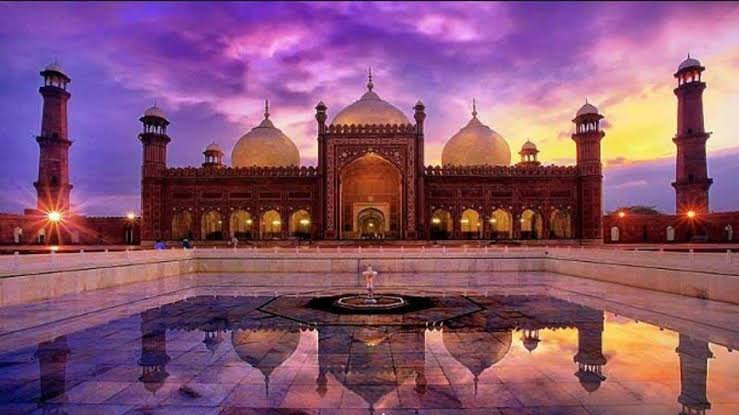
One of the largest mosques in the world and a masterpiece of Mughal architecture. Built by Emperor Aurangzeb in 1673, it remains one of Pakistan’s most visited religious landmarks.
Faisal Mosque, Islamabad
Located at the foothills of the Margalla Hills, Faisal Mosque is Pakistan’s national mosque and one of the largest mosques in South Asia.
Data Darbar, Lahore
The shrine of Hazrat Ali Hujwiri (Data Ganj Bakhsh) is among the most famous Sufi shrines in South Asia.
Shrine of Shah Rukn-e-Alam, Multan
A stunning example of Islamic architecture and one of the most important Sufi shrines in Pakistan.
Wazir Khan Mosque, Lahore
Famous for its colorful frescoes, tile work, and Mughal-era craftsmanship.
Shrine of Lal Shahbaz Qalandar, Sehwan Sharif
One of the most revered Sufi shrines in Pakistan, attracting thousands of devotees every year.
Sikh Religious Places in Pakistan
Kartarpur Sahib, Narowal
One of the holiest sites in Sikhism where Guru Nanak spent the final years of his life.
Nankana Sahib
The birthplace of Guru Nanak, founder of Sikhism, making it the most important Sikh pilgrimage destination in Pakistan.
Gurdwara Panja Sahib, Hasan Abdal
A sacred Sikh shrine associated with a miracle attributed to Guru Nanak.
Gurdwara Darbar Sahib Kartarpur
An important religious complex visited by Sikh pilgrims from around the world.
Hindu Religious Places in Pakistan
Katas Raj Temples, Punjab
A historic temple complex surrounding a sacred pond and one of Pakistan’s most significant Hindu heritage sites.
Hinglaj Mata Temple, Balochistan
One of the most sacred Hindu pilgrimage sites in South Asia.
Shri Varun Dev Temple, Manora Karachi
A historic Hindu temple located near the Arabian Sea.
Sadhu Bela Temple, Sukkur
A famous Hindu temple complex situated on an island in the Indus River.
Gorakh Hill and Shiva Temple Sites
Several ancient Hindu shrines and temples can be found throughout Sindh’s mountainous regions.
Buddhist Religious Places in Pakistan
Takht-i-Bahi, Khyber Pakhtunkhwa
A UNESCO-listed Buddhist monastery complex and one of the best-preserved Buddhist archaeological sites in Asia.
Taxila Buddhist Ruins, Punjab
An ancient center of Buddhist learning containing monasteries, stupas, and archaeological remains.
Dharmarajika Stupa, Taxila
One of the oldest Buddhist stupas in the region and an important pilgrimage site in ancient times.
Jaulian Monastery, Taxila
A well-preserved Buddhist educational and religious center from the Gandhara period.
Christian Religious Places in Pakistan
St. Patrick’s Cathedral, Karachi
The largest cathedral in Pakistan and an important center of Christian worship.
Sacred Heart Cathedral, Lahore
One of the oldest churches in Lahore, known for its impressive architecture.
Holy Trinity Cathedral, Karachi
A historic Anglican church with significant colonial-era heritage.
St. John’s Church, Peshawar
One of Pakistan’s oldest churches and an important Christian landmark.
Other Important Religious & Spiritual Sites
Multan – City of Saints
Home to numerous Sufi shrines including Bahauddin Zakariya and Shah Rukn-e-Alam.
Uch Sharif, Punjab
Famous for historic Sufi shrines and Islamic architecture.
Makli Necropolis, Sindh
Although primarily a historical site, it contains thousands of tombs belonging to saints, rulers, and scholars.
Travel Tips & Safety
- Dress modestly when visiting religious sites.
- Respect local customs and traditions.
- Remove shoes where required.
- Follow photography regulations.
- Avoid disrupting religious ceremonies.
- Carry identification documents.
- Visit during daylight hours whenever possible.
- Stay hydrated during warmer months.
- Use local guides for historical and cultural context.
- Verify visiting hours, security requirements, and entry regulations before travel.
3-Day Sample Itinerary
Day 1: Islamabad & Hasan Abdal
- Visit Faisal Mosque
- Explore Margalla Hills viewpoints
- Travel to Panja Sahib
- Return to Islamabad
Day 2: Lahore Religious Heritage Tour
- Visit Badshahi Mosque
- Explore Wazir Khan Mosque
- Visit Data Darbar
- Evening exploration of the Walled City
Day 3: Nankana Sahib & Kartarpur
- Visit Nankana Sahib
- Explore Kartarpur Sahib
- Learn about Sikh heritage
- Return journey
FAQs
1. What are the most famous religious places in Pakistan?
Faisal Mosque, Badshahi Mosque, Data Darbar, Kartarpur Sahib, Nankana Sahib, Katas Raj Temples, and Hinglaj Mata Temple are among the most famous religious sites.
2. Which religious site attracts the most visitors?
Data Darbar is one of the most visited religious sites in Pakistan, attracting devotees throughout the year.
3. Can non-Muslims visit mosques in Pakistan?
Many mosques welcome visitors, provided they respect local customs and follow dress guidelines.
4. Why is Kartarpur Sahib important?
Kartarpur Sahib is sacred to Sikhs because Guru Nanak spent the final years of his life there.
5. What is the significance of Nankana Sahib?
Nankana Sahib is the birthplace of Guru Nanak and one of the holiest locations in Sikhism.
6. Are Hindu temples open to visitors?
Many Hindu temples welcome visitors, although access regulations may vary depending on local conditions.
7. What is the best time to visit religious sites?
October through April generally offers the most comfortable weather for exploration.
8. Can families visit these places?
Yes. Most religious landmarks are suitable for families, educational trips, and cultural tourism.
9. Are photography rules different at religious sites?
Yes. Some locations may restrict photography in specific areas, so visitors should follow local instructions.
10. What should I wear when visiting religious landmarks?
Modest clothing covering shoulders and knees is generally recommended.
11. Are guides available at religious destinations?
Many major religious sites offer local guides who explain historical and spiritual significance.
12. Why should tourists visit religious places in Pakistan?
These sites provide valuable insights into Pakistan’s diverse religious heritage, architecture, history, and cultural traditions.