Introduction
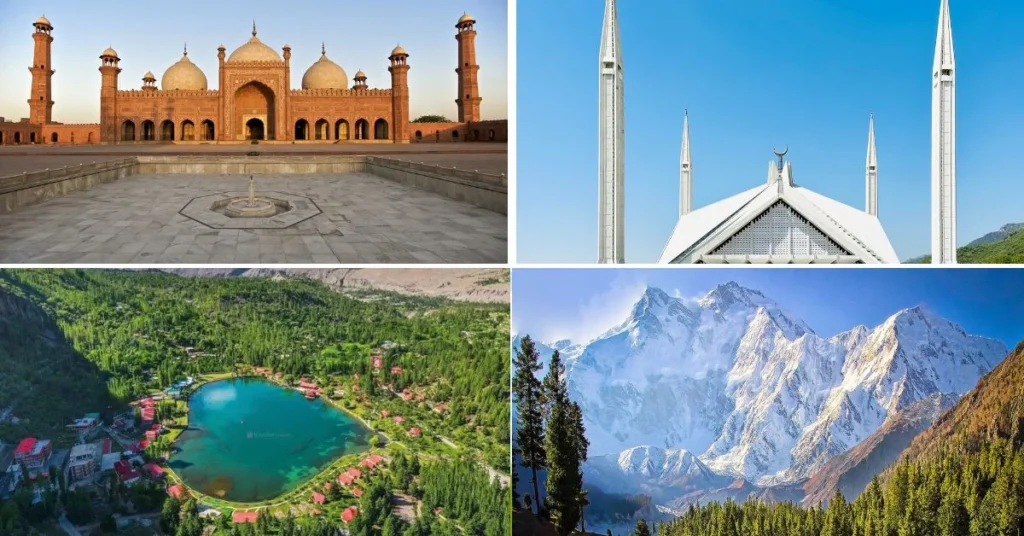
Pakistan offers an impressive mix of mountain valleys, turquoise lakes, historic forts, Mughal architecture, ancient archaeological sites, and beautiful coastal landscapes. From the snow-covered peaks of Gilgit-Baltistan to the historic streets of Lahore and the beaches of Karachi, every region has something different to offer.
Choosing the right destination depends on your travel dates, budget, interests, and the time available. Some places are ideal for family holidays, while others suit couples, photographers, history enthusiasts, and adventure lovers. This guide explores the country’s most rewarding destinations, explains how to reach them, and provides practical information to help you plan a comfortable and memorable trip.
Location & Background
Pakistan is located in South Asia and shares borders with China, India, Afghanistan, and Iran. Its landscape ranges from the Karakoram, Himalaya, and Hindu Kush mountain ranges in the north to fertile plains, deserts, historic cities, and the Arabian Sea in the south.
The country has considerable geographical and cultural diversity. Gilgit-Baltistan attracts visitors with its dramatic mountain scenery, while Khyber Pakhtunkhwa offers green valleys and alpine lakes. Punjab is known for its Mughal heritage, historic cities, and food culture, whereas Sindh combines ancient civilizations with coastal attractions. Balochistan offers rugged mountains, distinctive rock formations, and a long coastline.
For travellers, this diversity means that one trip does not have to look like another. You can plan a relaxing family holiday, a cultural tour, a photography trip, or a longer journey combining several regions.
How to Reach
Islamabad is a practical starting point for many northern destinations because it has an international airport and road connections to several popular mountain regions. Lahore and Karachi are also important entry points for visitors exploring Punjab and Sindh.
Domestic flights operate on selected routes, including connections to Gilgit and Skardu. However, weather can disrupt mountain flights, so keep some flexibility in your schedule. Road travel is another option, although journeys through mountainous areas can take considerably longer than expected.
Distance from Major Cities
The following table provides approximate road distances from Islamabad. These are planning estimates, not live route calculations; the exact distance and travel time depend on the destination within each region, route, traffic, and road conditions.
| Destination | Approx. distance from Islamabad | Suggested time |
|---|---|---|
| Murree | 60–65 km | 1.5–2 hours |
| Swat Valley (Mingora) | 230–250 km | 4–6 hours |
| Naran | 280–300 km | 6–8 hours |
| Neelum Valley (Athmuqam) | 160–190 km | 4–6 hours |
| Hunza Valley (Karimabad) | 600–650 km | 12–15 hours or more |
| Skardu | 630–700 km | 12–16 hours or more |
| Lahore | 375–400 km | 4–6 hours |
| Karachi | 1,400–1,500 km | A long multi-day road journey |
Travel note: Distances to Hunza, Skardu, and other northern destinations vary according to the route and starting point. Check current road conditions before departure, especially during winter, heavy rain, and the monsoon season.
Where to Stay
Accommodation ranges from budget guesthouses and family-run hotels to established city hotels, mountain resorts, and heritage properties. The best choice depends on your destination, travel style, and the facilities you need.
In Hunza, Karimabad is a convenient base for exploring local forts, viewpoints, and nearby villages. In Skardu, staying near the town centre makes it easier to arrange transport to lakes, forts, and surrounding valleys. Naran offers a range of seasonal accommodation, but availability can become limited during peak summer holidays.
For visitors interested in culture and history, Lahore provides accommodation near the old city as well as in modern commercial districts. Islamabad has hotels across several price ranges, while Karachi offers options near major commercial areas and popular urban attractions.
Families should check room capacity, heating or air-conditioning, hot water, parking, and access to medical facilities. Couples may prefer quieter properties with scenic surroundings, while budget travellers can compare guesthouses and smaller hotels.
Hotel rates, opening dates, and seasonal facilities change frequently. Confirm the latest price, cancellation policy, and room availability directly before travelling.
Weather & Best Time to Visit
The best season depends on where you plan to go. Northern mountain destinations are generally most accessible during the warmer months, while many cities in Punjab and Sindh are more comfortable during the cooler part of the year.
Seasonal Travel Guide
| Season | Recommended destinations | What to expect |
|---|---|---|
| March–May | Lahore, Islamabad, Swat, Hunza | Pleasant weather in many areas; spring blossoms in selected northern valleys |
| June–August | Hunza, Skardu, Naran, Kaghan, selected mountain valleys | Popular summer travel period; rain, landslides, and road closures are possible |
| September–October | Hunza, Skardu, Swat, Lahore | Autumn colours in some northern areas; cooler temperatures |
| November–February | Lahore, Karachi, Multan, southern Sindh | Often more comfortable for urban sightseeing and heritage visits; northern areas can be very cold |
Spring blossom dates vary each year. Similarly, high-altitude destinations such as Deosai and some alpine lakes may remain inaccessible until snow conditions improve.
Before travelling, check the forecast, local road updates, and any restrictions that apply to your destination. The National Highway and Motorway Police publishes travel advisories, while official tourism information can help with seasonal planning.
Places to Visit in Pakistan
The destinations below represent different regions and travel experiences. Instead of choosing a place only because it is popular on social media, consider how much time you have and what you want from your trip.
1. Hunza Valley, Gilgit-Baltistan
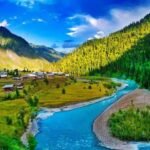
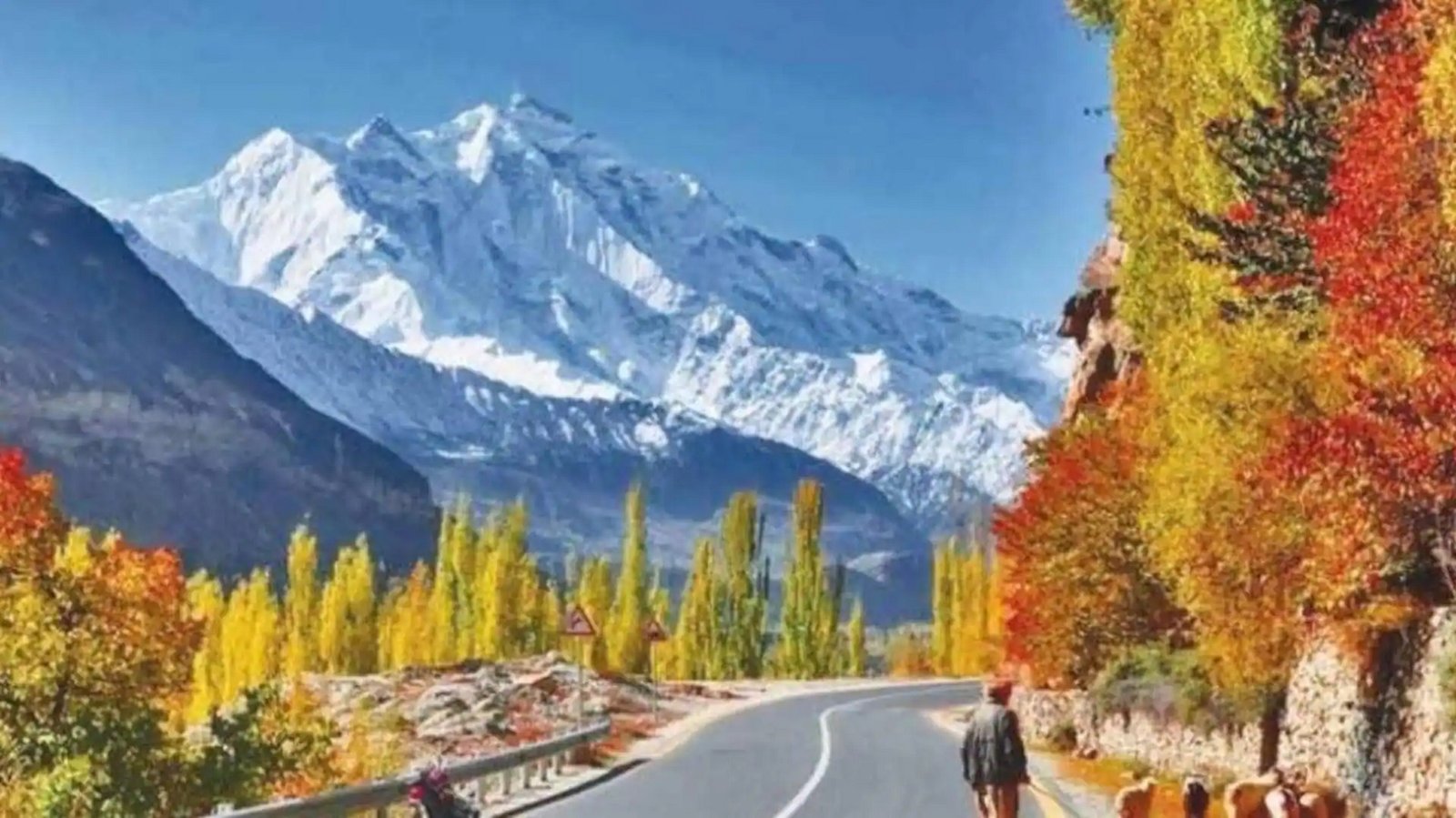
Hunza is known for its mountain views, historic forts, welcoming communities, and villages set against the Karakoram range. Karimabad is a useful base for visiting Baltit Fort and Altit Fort, both of which offer insight into the region’s architectural and cultural history.
Attabad Lake is another major attraction, famous for its striking blue water and surrounding mountains. Visitors can enjoy the scenery from lakeside viewpoints, although boating and other activities depend on local conditions and operating arrangements.
Passu is worth including for its distinctive pointed peaks and the landscape along the Karakoram Highway. Allow at least three or four days if you want to explore beyond the main viewpoints rather than spending most of your holiday in the car.
Hunza Valley is particularly appealing to families and couples who enjoy scenery, local food, short walks, and photography. Spring blossoms and autumn colours offer different experiences, but exact dates depend on the weather
2. Skardu Valley, Gilgit-Baltistan
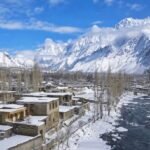
Skardu combines mountain scenery with lakes, forts, a cold desert, and access to high-altitude landscapes. It is a strong choice for travellers who want several different experiences within one region.
Popular places include Upper Kachura Lake, Satpara Lake, Shigar Fort, and the Katpana Cold Desert. Each offers a different setting, from water and mountain reflections to traditional architecture and sandy terrain.
Deosai National Park is another major attraction during its accessible season. Its broad plateau, wildflowers, wildlife, and open landscapes make it especially interesting for nature enthusiasts. However, altitude, weather, and road conditions require careful planning.
A stay of three to five days gives most visitors more flexibility to explore the area. Travellers should allow additional time if they intend to visit remote valleys or travel during uncertain weather.
3. Naran and Kaghan Valley, Khyber Pakhtunkhwa
Naran and Kaghan are popular summer destinations for visitors who want rivers, green mountains, forests, and alpine scenery. The region is relatively accessible from Islamabad compared with some of the farther northern destinations, although the journey can still be long.
Lake Saif-ul-Malook is among the best-known attractions in the area. Its mountain backdrop makes it a favourite for photography, but access depends on seasonal road and weather conditions. Visitors should confirm local transport arrangements before planning a visit.
Lulusar Lake and Babusar Top are also worth considering when the connecting roads are open. These higher-altitude locations can become extremely cold even when conditions in lower areas feel pleasant.
Naran can become crowded during summer weekends and public holidays. Booking accommodation in advance and starting sightseeing early can make the visit more comfortable
4. Swat Valley, Khyber Pakhtunkhwa
Swat is known for its river, green hills, forests, and mountain resorts. Mingora and Saidu Sharif serve as useful bases for exploring the wider valley, while Kalam provides access to more mountainous scenery.
Visitors can explore Malam Jabba, enjoy riverside views, and travel towards upper-valley attractions when roads are open. Swat also has historical significance, including archaeological remains associated with the region’s Buddhist past.
The best itinerary depends on the season. Lower areas may be accessible when higher routes remain affected by snow or rain, so avoid assuming that every attraction will be reachable on the same trip.
Swat suits families looking for a mix of nature, road travel, local food, and outdoor activities. Check current local conditions and official travel advice before finalising your route.
5. Neelum Valley, Azad Jammu and Kashmir
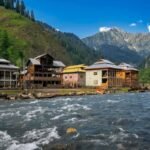
Neelum Valley is known for its river, forested slopes, mountain villages, and cool summer weather. Muzaffarabad is a common starting point for travellers heading towards destinations such as Keran, Sharda, and Kel.
Keran is popular for its riverside scenery, while Sharda offers a combination of mountain views and historical interest. Kel provides access to more remote landscapes, although road conditions and onward transport can affect travel time.
Visitors should not underestimate the distances between villages. Mountain roads are winding, and a short distance on the map can require several hours of driving.
The Neelum valley is attractive for families and couples who prefer nature, peaceful surroundings, and village-based stays. Choose accommodation according to road access and available facilities rather than scenery alone.
6. Fairy Meadows, Gilgit-Baltistan
Fairy Meadows is famous for its views of Nanga Parbat and its green alpine setting. Reaching it requires more planning than visiting a roadside viewpoint because the usual journey involves road travel followed by a mountain track and a hike.
The destination is best suited to travellers who are comfortable with physical activity and basic mountain conditions. Accommodation is generally simpler than in major towns, and weather can change quickly.
Families with young children, elderly travellers, or anyone with mobility limitations should assess the trek carefully before choosing this destination. A suitable alternative is to enjoy mountain views from a more accessible location along the main travel route.
Allow at least two days for a more relaxed visit, and avoid planning a tight onward connection immediately after the trek.
7. Islamabad, Islamabad Capital Territory
Islamabad offers a different experience from the northern valleys. Its broad roads, green spaces, museums, restaurants, and organised sectors make it a convenient destination for short holidays and family sightseeing.
Faisal Mosque is one of the city’s most recognisable landmarks, set against the Margalla Hills. Daman-e-Koh offers panoramic views over the capital, while Pakistan Monument and the adjoining museum introduce visitors to the country’s history and national identity.
Saidpur Village provides a place to explore traditional-style architecture and enjoy a meal in a distinctive setting. Visitors can also plan walks in designated Margalla Hills trails, following current safety and park guidance.
Two days are enough for several major attractions, although an additional day allows a slower pace. Islamabad also works well as the first or last stop on a longer journey to northern Pakistan
8. Lahore, Punjab
Lahore is one of Pakistan’s most important cultural and historical cities. Its Mughal monuments, old neighbourhoods, gardens, museums, and food streets offer a rich contrast to the mountain landscapes of the north.
Badshahi Mosque and Lahore Fort are essential stops for visitors interested in architecture and history. The Walled City contains historic streets and traditional markets, while Shalimar Gardens provide another perspective on Mughal-era design.
Food is a major part of the experience. Visitors can explore local breakfast dishes, traditional barbecue, karahi, and sweets, while choosing reputable eateries and observing normal food-safety precautions.
Lahore is generally more comfortable for extended outdoor sightseeing during the cooler months. Two or three days allow time for the main heritage sites without rushing between them.
9. Karachi, Sindh
Karachi offers a coastal and urban experience shaped by its port, diverse communities, food culture, and historic buildings. It is a suitable choice for travellers who prefer city attractions, museums, shopping districts, and seaside outings.
Clifton Beach is a well-known place to experience the Arabian Sea, although water conditions, cleanliness, and permitted activities vary. Visitors should follow local safety instructions and avoid entering the sea when conditions are unsafe.
Mazar-e-Quaid is an important national landmark, while Mohatta Palace provides insight into the city’s architectural and cultural history. The city also has a wide range of restaurants serving regional Pakistani dishes and international cuisines.
Plan sightseeing around traffic and weather. Karachi’s hot and humid conditions can make midday outdoor activities uncomfortable, particularly in warmer months.
10. Mohenjo-daro, Sindh
Mohenjo-daro is one of the most significant archaeological sites associated with the Indus Valley Civilization. Its remains offer a glimpse into an ancient urban settlement with organised streets, buildings, drainage systems, and public spaces.
Unlike a mountain holiday, a visit here focuses on archaeology and historical understanding. The site is best explored at a measured pace, ideally with reliable interpretive information to help explain what survives and what researchers have learned about the civilization.
Hot weather can make outdoor exploration demanding, so cooler months are generally preferable. Carry drinking water, sun protection, and comfortable footwear, and follow site rules designed to protect the archaeological remains.
Visitors interested in ancient history can combine this destination with other heritage sites in Sindh, depending on available time and transport.
11. Taxila, Punjab
Taxila is an important archaeological destination near Islamabad and Rawalpindi. Its remains help explain the region’s historical role in trade, learning, and the development of Buddhist art and culture.
The Taxila Museum and nearby archaeological sites provide a more educational experience than a conventional leisure destination. Visitors should allow enough time to understand the relationship between the different locations rather than treating them as a single monument.
Taxila works well as a day trip from Islamabad. It is a particularly useful addition for families with school-age children, students, and travellers interested in history.
12. Gwadar and the Makran Coast, Balochistan
The Makran Coast offers a striking landscape of rocky headlands, coastal roads, beaches, and dry mountains meeting the Arabian Sea. Gwadar is a useful reference point for exploring this part of the country, while Hingol National Park is known for distinctive rock formations and coastal scenery.
The region is very different from the green northern valleys. Visitors should expect long distances between facilities, limited services in remote stretches, and a need for careful route planning.
November to February is often more comfortable for outdoor sightseeing than the hottest part of the year. However, local security conditions, access restrictions, and road arrangements must be checked before travelling.
Plan this trip around reliable transport, adequate fuel, drinking water, and suitable accommodation. Do not assume that remote viewpoints or beaches have shops, mobile coverage, or emergency services nearby.
Travel Tips & Safety
A well-planned trip is more enjoyable than an ambitious itinerary that leaves little time for rest. The following precautions are useful across Pakistan, particularly when visiting remote or mountainous destinations.
- Check road conditions: Mountain routes may close because of snowfall, landslides, rain, or maintenance. Review official updates before leaving and again during the journey.
- Keep flexible dates: Add a buffer day when travelling to remote northern areas or relying on domestic flights.
- Carry suitable clothing: Even summer evenings can be cold at higher elevations. Take warm layers, rain protection, and comfortable footwear.
- Respect local customs: Dress appropriately at religious sites and ask permission before photographing people.
- Choose accommodation carefully: Confirm the location, heating, hot water, parking, family facilities, and cancellation policy.
- Prepare for long drives: Carry water, snacks, essential medication, and a charged phone. Avoid unfamiliar mountain roads at night where possible.
- Protect the environment: Use designated paths, avoid littering, and follow instructions in national parks and heritage areas.
- Check security advice: Conditions can vary by district and change at short notice. Consult current official travel advisories before visiting remote or restricted areas.
Entry requirements, permits where applicable, hotel prices, park fees, and road access can change. Confirm the relevant details locally before departure.
3-Day Sample Itinerary
Three days are enough to explore one compact destination or get an introduction to a city. They are not enough to visit every major region in the country, so choose an itinerary that matches your arrival point.
Option A: Islamabad and Nearby Attractions
Day 1: Visit Faisal Mosque, explore the Pakistan Monument and museum, and enjoy dinner in the city.
Day 2: Visit Daman-e-Koh for the views, explore Saidpur Village, and spend the afternoon at a museum or another attraction that interests your group.
Day 3: Take a day trip to Taxila to explore its archaeological heritage and museum before returning to Islamabad.
Option B: Hunza Valley
Day 1: Arrive in Hunza, settle into your accommodation, and explore Karimabad at a relaxed pace.
Day 2: Visit Baltit Fort and Altit Fort, then enjoy mountain views from nearby villages and viewpoints.
Day 3: Travel towards Attabad Lake and Passu if road and weather conditions allow. Return to your accommodation with sufficient daylight remaining.
This second itinerary requires you to reach Hunza before Day 1 begins. Travel from Islamabad can take a substantial part of a day, so allow additional days for the journey if travelling by road.
FAQs
1. What are the best places to visit in Pakistan for first-time travellers?
Hunza, Skardu, Islamabad, Lahore, and Swat offer a useful introduction to the country’s scenery, culture, and history. The best combination depends on your travel dates and the number of days available.
2. Which destinations are suitable for a family holiday?
Islamabad, Lahore, Hunza, and selected areas of Swat can work well for families because they offer a mix of sightseeing, food, and accommodation options. Choose places with manageable travel times and facilities suited to children’s ages.
3. What are good destinations for couples?
Hunza, Skardu, and Neelum Valley appeal to couples who enjoy mountain views, quiet surroundings, and photography. The experience depends on the season, accommodation, and willingness to travel on winding roads.
4. Which season is best for visiting northern Pakistan?
May to October is a broad planning window for many northern destinations, but it is not a guarantee that every route will be open. Higher-altitude locations can remain inaccessible because of snow or adverse weather.
5. Can I explore Pakistan on a limited budget?
Yes, depending on your destination, transport choices, and accommodation standards. Travelling with a small group, comparing guesthouses, and avoiding peak holiday dates may help control costs.
6. Is three days enough to explore Pakistan?
Three days are better suited to one city or a compact region than the whole country. Islamabad and nearby Taxila make a practical short itinerary, while Hunza or Skardu requires additional travel time.
7. Are the northern areas suitable for children?
Many established destinations offer family-friendly accommodation and accessible viewpoints, but conditions vary. Consider road duration, altitude, cold weather, walking requirements, and the availability of medical care.
8. What should I pack for a northern trip?
Pack layers, a waterproof jacket, comfortable shoes, sun protection, personal medication, and a power bank. For higher elevations, include warm clothing even if the weather is hot in Islamabad.
9. Do I need to book hotels in advance?
Advance booking is helpful during summer holidays, blossom season, and popular festivals. Confirm current rates and cancellation terms directly because availability and prices can change quickly.
10. Are road conditions reliable throughout the year?
No. Snow, heavy rain, landslides, roadworks, and traffic can affect journey times and access to mountain destinations. Check official road updates before travelling and avoid driving through flooded roads or unsafe mountain routes.
11. Which destinations are best for history lovers?
Lahore, Taxila, and Mohenjo-daro are strong choices for visitors interested in architecture, archaeology, and the region’s past. Each destination offers a different historical period and is worth exploring with reliable interpretive information.
12. How can I plan a safer trip to remote destinations?
Research the route, check current security and weather advice, use suitable transport, and share your itinerary with someone you trust. Carry essential supplies and keep alternative plans in case roads close or transport is disrupted