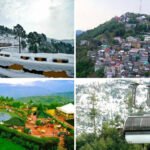
Murree in Monsoon: A Guide to Misty Roads and Lush Greenery
Between July and August, the popular hill station of Murree undergoes a profound metamorphosis. As the monsoon envelops the Himalayas’ foothills, the summer crowds thin, and a different, more atmospheric Murree emerges. This is a season of dichotomies: of breathtaking, emerald-green landscapes obscured by rolling banks of fog; of cozy, fire-lit interiors contrasting with sudden, dramatic downpours outside. Visiting Murree during the monsoon is not the typical tourist experience. It is an adventure for the prepared traveler—one that rewards flexibility, respect for nature’s power, and an appreciation for moody, ethereal beauty over postcard-perfect sunshine. This guide provides a complete look at the magic, the challenges, and the essential strategies for experiencing this unique seasonal transformation.
The Allure: Why Monsoon Murree is Uniquely Magical
The monsoon fundamentally changes Murree’s character, offering experiences unavailable during other seasons.
1. An Ever-Changing Canvas of Mist and Light: The most defining feature is the dynamic interplay of cloud and landscape. Thick, cotton-wool mists sweep across valleys, momentarily parting to reveal glimpses of distant ridges or a sunlit patch of forest before closing in again. This creates a living, breathing panorama that changes by the minute. Iconic viewpoints like Kashmir Point and Pindi Point become theaters for this celestial drama, where the reward for patience might be a brief, stunning vista of clouds cascading like waterfalls into the abyss below.
2. A Sensory Feast of Rain-Fresh Scents: The air during and after a monsoon shower is incredibly pure and fragrant. It carries the deep, petrichor scent of rain on dry earth, mixed with the sharp, clean aroma of wet pine needles from the deodar forests, and hints of wild mint and jasmine. Morning walks along sheltered paths like the Governor House Loop become immersive sensory experiences.
3. A Photographer’s Dream of Moody Atmospherics: For photographers, the monsoon provides ideal “softbox” lighting. The diffuse light eliminates harsh shadows, saturating colors and revealing textures often lost in brighter sun. The mist acts as a natural filter, simplifying compositions and creating layers of depth. Details like raindrops poised on a spider’s web, the glow of a café window in the fog, or the stark silhouette of the Old Christ Church against a grey sky offer endless creative possibilities.
4. The Gift of Serenity and Fewer Crowds: Perhaps the most practical advantage is the significant drop in tourist numbers. The Mall Road, usually thronged with visitors, takes on a quieter, more relaxed pace. Hotels and restaurants are more accessible, and you can often enjoy popular spots without the usual crowds, allowing for a more intimate connection with the place.
The Realities: Understanding the Risks and Challenges
The monsoon’s beauty is matched by its potential hazards. A successful trip requires acknowledging and preparing for these challenges.
Primary Monsoon Hazards:
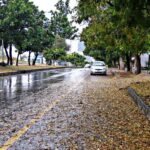
Slippery and Hazardous Roads: Steep, winding mountain roads become treacherous when wet. Moss and mud can make surfaces incredibly slick.
Landslide Risk: Sustained heavy rainfall saturates the soil on steep slopes, increasing the risk of rockslides and mudslides, particularly on remote roads.
Severely Limited Visibility: Dense fog can reduce visibility to just a few meters, making navigation—whether driving or walking—difficult and dangerous.
Rapid Weather Shifts and Temperature Drops: A sunny break can turn into a cold downpour in minutes. Temperatures can plummet, especially after sunset.
Potential for Disruption: Heavy rain can cause localized flooding, power outages, and the temporary closure of attractions like the Patriata Chairlift.
Essential Safety Precautions:
Transportation:Avoid self-driving unless you are highly experienced in mountainous, low-visibility conditions. Hiring a local driver familiar with the roads is a wise investment in safety.
Travel Timing: Complete all journeys during daylight hours. Fog intensifies dramatically at dusk and night. Never drive in unknown areas after dark.
Stay Informed: Monitor local weather forecasts and road conditions (via local news or your hotel) multiple times a day. Be prepared to alter plans instantly.
Communication: Ensure your phone is charged and save essential local contacts: your hotel, local police, and a reliable taxi service.
Curating the Perfect Monsoon Itinerary: Activities for Rain or Shine
The key to enjoying Murree in the monsoon is having flexible, weather-appropriate plans.
For Clear Windows or Light Drizzle:
Scenic Viewpoints: Seize any break in the clouds for a quick trip to Kashmir Point or Patti Point.
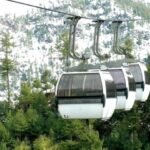
The Patriata Chairlift: If operating, a ride can feel like floating through the clouds themselves.
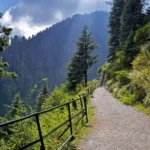
Short, Paved Walks: Stick to safe, well-trodden paths like the Mall Road or the paved trail around the Governor House.
For Rainy or Foggy Days (The Monsoon Standbys):
Cozy Café Hopping: This is the quintessential monsoon activity. Murree’s historic cafes, like the Old Bakery or establishments with fireplaces, become havens. Spend hours with a book, a board game, or simply watching the mist swirl outside.
Heritage and Indoor Exploration: Visit the Murree Museum to delve into colonial history, admire the stained glass of Christ Church, or browse the galleries of local artists.
Indoor Shopping: Explore the shops along the Mall Road for traditional woolens, Kashmiri shawls, and handicrafts.
The Non-Negotiable Monsoon Packing List
Packing correctly is half the battle for comfort and safety.
Core Essentials:
Waterproof Outer Shell: A high-quality, hooded waterproof and windproof jacket is the single most important item. Waterproof pants are also highly recommended.
Footwear: Sturdy, waterproof hiking shoes or boots with aggressive tread for grip on wet and muddy surfaces. Never wear sandals or smooth-soled shoes.
Layered Clothing: Pack quick-dry synthetic or wool base layers, insulating mid-layers (fleece, lightweight puffer), and avoid cotton, which stays cold when wet.
Protection for Electronics: Waterproof cases or dry bags for phones, cameras, and power banks. Include silica gel packets to combat moisture in bags.
Highly Recommended Additions:
Compact, wind-resistant travel umbrella.
Multiple pairs of moisture-wicking socks.
A warm hat (beanie) and gloves.
A small thermos for hot tea or coffee.
Basic cold medicine and pain relievers.
A Sample Flexible Two-Day Itinerary
Day 1: Embracing the Atmosphere
Morning (7:00 – 10:00 AM): If the weather allows, attempt a sunrise view at Kashmir Point. If foggy, enjoy a late, leisurely breakfast at your hotel.
Late Morning (10:30 AM – 1:00 PM): Indoor cultural time. Visit Christ Church and the Murree Museum.
Afternoon (1:30 – 4:30 PM): Lunch at a historic bakery or café, followed by a slow stroll along the covered sections of the Mall Road for shopping and people-watching.
Evening (5:00 PM onwards): Settle into a cozy café or your hotel’s lounge with a book or games. Enjoy a warm dinner.
Day 2: Adapting to the Day’s Mood
Morning: Check conditions. Option A (Clear): Take a short trip to Pindi Point. Option B (Rainy): Visit an art gallery or enjoy a extended café session.
Afternoon:Option A: If clear and operating, experience the Patriata Chairlift. Option B: Continue indoor exploration or enjoy a traditional Pakistani meal at a local restaurant.
Golden Rule: Keep plans loose. The itinerary for Day 2 should be decided over breakfast based on the actual weather.