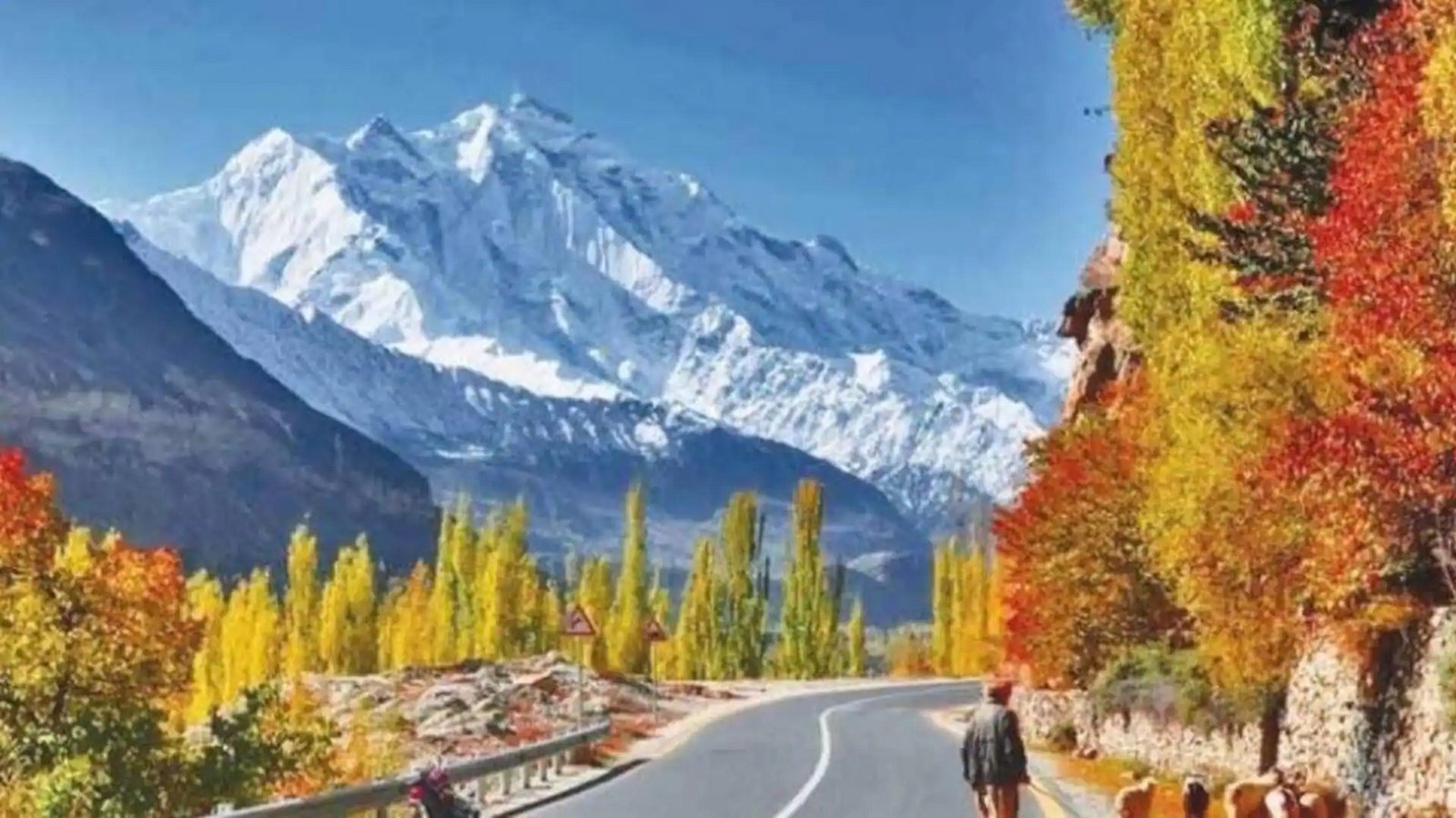
In Gilgit‑Baltistan, lakes are rarely just landmarks. They appear suddenly after long drives, sit quietly at impossible heights, and leave impressions that last longer than photographs. Some feel dramatic and untamed, others calm and almost personal. Together, they form a network of high‑altitude lakes that define the character of northern Pakistan.
From the wide, wind‑swept stillness of Sheosar Lake in Deosai to the softer, village‑side beauty of Lower Kachura Lake near Skardu, these waters reflect more than mountains. They reflect time, weather, and the slow rhythm of life in the high north.
This guide looks at some of the most beautiful lakes in Gilgit‑Baltistan, not as checklist attractions, but as places worth understanding.
Sheosar Lake – Where Deosai Opens Its Sky
Sheosar Lake does not announce itself loudly. One moment you are crossing the vast emptiness of Deosai Plains, and the next, a long sheet of water lies ahead, catching the sky in a way that feels almost unreal. At over 4,100 meters above sea level, Sheosar is often described as one of the highest lakes in Pakistan, but numbers do not explain its effect.
On clear days, Nanga Parbat appears far in the distance, its presence subtle but unmistakable. In summer, wildflowers push through the plains, and the lake’s edges soften under changing light. Wind moves across the water constantly, making the reflections restless.
Sheosar is not a place for long activities. People come here to stand, look, and feel small — and that is exactly the point.
Best time to visit: July to early September Location: Deosai National Park, between Skardu and Astore
Lower Kachura Lake – The Quieter Side of Skardu
Lower Kachura Lake is often skipped, and that is precisely why it feels special. While Upper Kachura (Shangrila) attracts crowds, Lower Kachura Lake sits quietly nearby, surrounded by trees, small paths, and local homes.
The water here is calmer, darker, and more reflective. In the early morning, the lake feels almost private. You might see a fisherman at work or children passing along the shore. There is no staged experience — just water, mountains, and everyday life unfolding slowly.
For travelers staying in Skardu, this lake offers something rare: a chance to slow down without leaving the area.
Distance from Skardu: Approximately 20–30 minutes Best for: Photography, short walks, peaceful stops
Satpara Lake – Water, Mountains, and Movement
Just outside Skardu lies Satpara Lake, a place where nature and necessity intersect. It supplies water to the town and also serves as one of the most accessible scenic lakes in the region.
The landscape around Satpara is harsher than Kachura. Brown mountains rise sharply, and the wind often carries a chill even in summer. Yet the lake’s color — shifting between blue and green — brings life to the surroundings.
Satpara feels active. Locals visit, boats move across the surface, and the road remains close. It may not be remote, but it is undeniably part of Skardu’s identity.
Phander Lake – Stillness in Ghizer Valley
Phander Lake is the kind of place that changes your sense of time. Located in Ghizer District, this lake stretches calmly between grassy banks and low hills, its surface often so still that reflections appear painted rather than real.
Unlike the dramatic altitude of Deosai or the rugged edges of Skardu, Phander feels balanced. The climate is gentler, the surroundings open, and the pace noticeably slower. Travelers often stop here longer than planned.
It is also one of the most visually consistent lakes in northern Pakistan — calm, blue, and quietly confident.
Rush Lake – High Above the Familiar World
Rush Lake is not reached by chance. At over 4,600 meters, it requires effort, planning, and patience. The trek from Hopar Valley is demanding, but the reward is a lake surrounded by some of the most impressive peaks in the Karakoram range.
Standing near Rush Lake feels different from standing beside other lakes. The air is thinner, the silence deeper, and the landscape more exposed. This is not a casual stop; it is a destination for those who want to earn the view.
Rush Lake reminds visitors that many of Gilgit‑Baltistan’s most remarkable places still require commitment — and that is part of their value.
When to Visit High‑Altitude Lakes in Gilgit‑Baltistan
The best time to visit lakes in Gilgit‑Baltistan is generally from July to September. During these months, roads to Deosai, Skardu, and Ghizer remain open, and snow retreats enough to allow safe access.
Early summer may still bring blocked passes, while autumn introduces cold nights and limited services. Winter travel is not recommended for most of these locations.
Travel Notes Worth Remembering
Weather changes quickly at high altitude
Even summer evenings can be cold
Respect local customs and private land
Avoid littering — these environments recover slowly
For remote lakes, local guides make a difference
Final Reflection
The high‑altitude lakes of Gilgit‑Baltistan are not meant to be rushed. Each one has its own temperament — Sheosar feels vast and exposed, Lower Kachura personal and gentle, Phander calm and composed, Rush Lake demanding and unforgettable.
Together, they offer a deeper understanding of northern Pakistan — not just its scenery, but its silence, scale, and patience.