Patriata Chairlift: Is Pakistan’s Highest Cable Car Worth the Ride?
Soaring silently over a sea of deep green pine forests, the Patriata Chairlift offers one of the most iconic and accessible aerial perspectives in all of Pakistan. As the country’s highest chairlift, perched at approximately 8,500 feet in the hills above Murree, it promises breathtaking Himalayan vistas and a gentle thrill. But with varying weather, seasonal crowds, and a basic infrastructure, the experience can range from transcendent to underwhelming. This in-depth, firsthand review cuts through the hype to provide a clear-eyed assessment of the Patriata Chairlift—detailing exactly what to expect, when to go, and ultimately, whether this famous ride deserves a spot on your Murree itinerary.
The Basics: What is the Patriata Chairlift?
Before boarding, it’s helpful to understand the setup. The Patriata Chairlift, also commonly referred to as the New Murree Chairlift, is a bi-cable gondola lift system located in Patriata, a short drive from central Murree.
Height & Length: It ascends to about 8,500 feet above sea level, covering a one-way distance of roughly 1.2 kilometers.
Ride Duration: A single journey takes 15 to 20 minutes, depending on wind conditions and whether the operator runs it at full speed.
The Ride Vehicle: It consists of open-air, two-person chairs with a simple safety bar that lowers in front of passengers. There are no seatbelts or enclosed cabins, which is key to the experience (and the apprehension for some).
Cost: Ticket prices are modest, typically around PKR 800-1,000 for a round trip for international visitors, with lower rates for locals.
The Ascent: A Journey of Senses and Sensations
The experience begins the moment you leave the boarding platform. The initial lurch and steep climb over the tree line deliver an immediate adrenaline spike. Your feet dangle freely hundreds of feet above the forest floor—a sensation that is equally terrifying and exhilarating.
As the ride smoothens, the sensory experience takes over. The world falls away into a profound quiet, broken only by the gentle hum of the cable and the distant calls of birds from the forest below. The air grows noticeably cooler and crisper. On clear days, the view is the star: a 360-degree panorama unfolds, revealing layer upon layer of the Himalayan foothills, with the distant, snow-capped peaks of the Pir Panjal range framing the horizon. The dense canopy of deodar and pine trees directly beneath creates a mesmerizing, textured green carpet.
For First-Timers or Those Wary of Heights:
The first minute is the most intense. Breathe deeply and focus on the distant landscape, not the drop below.
The chairs are stable and the ride is smooth. Avoid the impulse to grip the safety bar in a panic; a light hold is sufficient.
If traveling with a companion, conversation can be a great distraction.
The Top Station: More Than Just a Turnaround Point
Many visitors make the mistake of treating the upper station as a mere pitstop before the return journey. While amenities are basic—consisting of a small café selling overpriced tea and snacks, and some underwhelming photo ops with costumed animals (best avoided)—the real value lies just beyond.
A short, 10-15 minute paved walk from the station leads to Pindi Point, a spectacular viewpoint that offers even more expansive, unobstructed vistas than you get from the chair itself. This is where you should spend your time. The area is often less crowded than the immediate station vicinity, especially if you visit on a weekday. It’s the perfect spot for photography, a quiet moment of reflection, or simply to enjoy the magnificent sense of space and altitude before descending.
Timing is Everything: When to Visit for the Best Experience
The quality of your chairlift experience is almost entirely dependent on when you go.
Choosing the Right Season:
Spring (March-May): Offers clear skies and the possibility of seeing blooming rhododendrons dotting the hillsides.
Summer (June-August): The forests are at their lushest, but this coincides with the monsoon. Afternoons frequently bring dense fog that can completely obscure the views. Mornings are better.
Autumn (September-November): Arguably the prime season. The air is crystal clear, the visibility is at its best, and the forests turn shades of gold and amber. The weather is stable and comfortable.
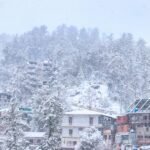
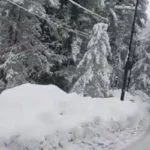
Winter (December-February): A gamble. On clear, sunny days after a snowfall, the scenery is a magical winter wonderland. However, the chairlift often closes due to heavy snow, ice, or high winds. Always check ahead.
Choosing the Right Time of Day:
Ideal:Early morning (7:00 – 9:00 AM) for the soft, golden-hour light and the lowest chance of crowds or fog.
Good Alternative:Late afternoon (4:00 – 6:00 PM) for stunning sunset views over the mountains.
Avoid:Midday (11:00 AM – 3:00 PM) when the light is harsh for photography and tourist buses arrive, creating long queues.
Best Days:Weekdays (Monday-Thursday) see significantly fewer visitors than weekends or public holidays.
The Non-Negotiable Rule:Always check the weather forecast. If the forecast calls for fog or rain, postpone your visit. There is little point in taking the ride if you can’t see more than a few feet in front of you.
Safety, Practicalities, and Pro Tips
Safety Record: The chairlift has a strong safety record since its opening. It undergoes regular maintenance and is shut down in high winds.
What to Bring & Wear:
Layers: It is always significantly colder at the top than at the base station. Bring a warm jacket, even in summer.
Secure Your Belongings: Ensure phones, cameras, hats, and sunglasses are secured. The open chairs offer no protection against dropped items.
Footwear: Wear comfortable, closed-toe shoes suitable for the short walk at the top.
Water & Snacks: Bring your own to avoid the overpriced and limited options at the summit café.
The Art of the Visit:
Purchase Tickets Early: Buy your tickets as soon as you arrive to gauge the queue length.
Mind the Gap: Pay attention to staff instructions when boarding and disembarking.
Respect the Environment: Do not litter from the chairlift or at the viewpoints.
The Final Verdict: Who Should Ride and Who Should Skip?
The Patriata Chairlift is WORTH IT for:
First-time visitors to Murree seeking a signature experience.
Nature enthusiasts and photographers who want that unique aerial perspective of the Himalayan foothills.
Families with children (generally over age 5) looking for a safe, exciting activity.
Travelers who appreciate serene, elevated landscapes but may not be up for a strenuous hike to achieve them.
Consider SKIPPING the Patriata Chairlift if:
You have a severe fear of heights or vertigo that an open-air chair would trigger.
You are visiting on a foggy, overcast, or rainy day (the core value is the view).
You are on an extremely tight schedule and cannot afford to wait in potential long queues (common on weekends).
You expect a luxurious or highly curated tourist attraction with premium facilities.