St. Anthony’s Church – One of the Oldest Churches in Lahore
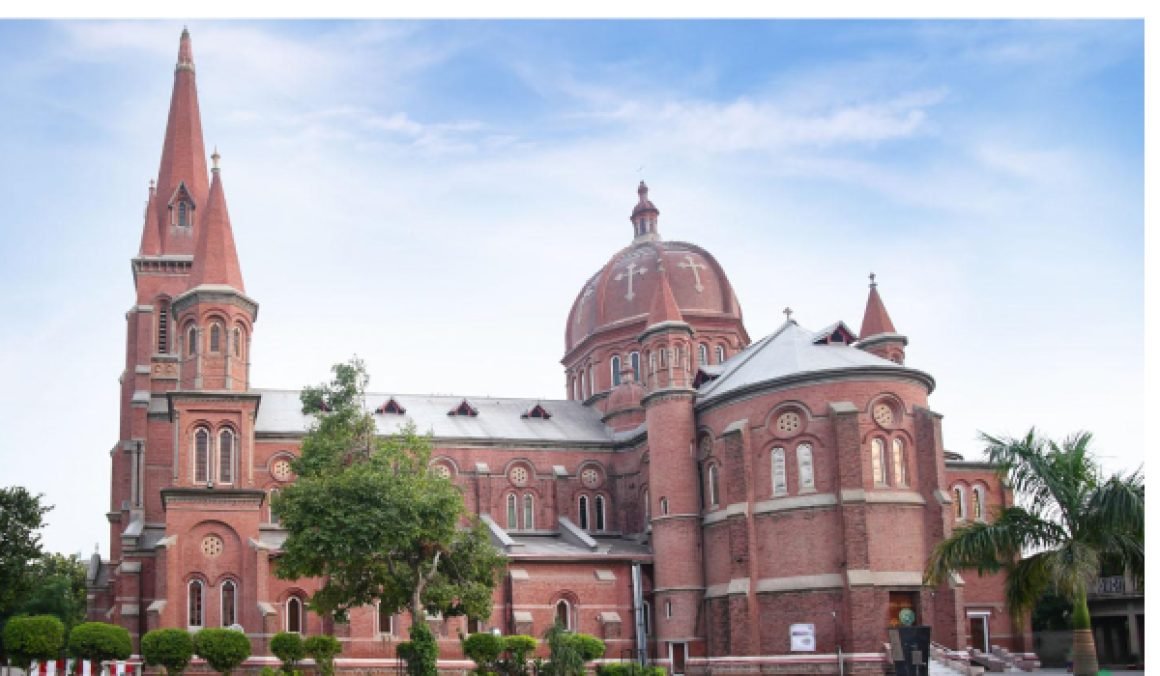
St. Anthony’s Church stands as a magnificent testament to Lahore’s rich Christian heritage and colonial architectural legacy. Established in the late 19th century, this beautiful Catholic church continues to serve as an active place of worship while attracting visitors with its stunning Gothic architecture and historical significance.
Why St. Anthony’s Church is Significant
Historical Importance: One of Lahore’s oldest functioning Catholic churches
Architectural Beauty: Excellent example of Gothic Revival architecture in Pakistan
Religious Continuity: Active worship site for over 130 years
Cultural Heritage: Represents Lahore’s religious diversity
Tourist Attraction: Popular destination for architecture and history enthusiasts
“St. Anthony’s Church stands not just as a building of stone and mortar, but as a living testament to faith’s endurance through changing times—where Gothic spires reach for the heavens in a city of minarets, and ancient hymns echo through arches that have witnessed generations of devotion.” – Architectural Historian Dr. Sarah James
1. Historical Foundation & Development
The story of St. Anthony’s Church reflects the growth of Lahore’s Christian community and the city’s evolving religious landscape during the British colonial period.
Early Beginnings
Established: 1880s
Denomination: Roman Catholic
St. Anthony’s Church was established to serve the growing Catholic community in Lahore during British rule. The church was part of the Capuchin mission in Punjab and quickly became a central institution for Lahore’s Christian population.
Historical Timeline
1880s: Initial construction and establishment
Early 1900s: Expansion and community growth
Post-1947: Continued service after Partition
Late 20th Century: Restoration and preservation efforts
21st Century: Active worship and cultural landmark
2. Gothic Architectural Marvel
St. Anthony’s Church showcases the elegant Gothic Revival style that was popular during the British colonial era, adapted to the local context of Lahore.
Exterior Architecture
Style: Gothic Revival
Materials: Brick and Stone
The church’s exterior presents a classic Gothic facade with pointed arches, buttresses, and elegant proportions that create a sense of verticality and spiritual aspiration.
Exterior Features
Pointed Arches: Characteristic Gothic architectural element
Buttresses: Structural supports typical of Gothic design
Spire and Bell Tower: Reaching toward the heavens
Stone Carvings: Decorative elements and religious symbols
Stained Glass Windows: Colorful biblical depictions
3. Key Features & Religious Artifacts
St. Anthony’s Church houses several remarkable features and artifacts that contribute to its spiritual atmosphere and historical significance.
Main Altar and Sanctuary
Style: Traditional Catholic
Material: Carved Wood and Marble
The main altar serves as the focal point of the church, featuring intricate carvings and religious symbolism that reflect traditional Catholic liturgical design.
Altar Features
Central Crucifix: Traditional cross with corpus
Tabernacle: Ornate receptacle for the Eucharist
Candlesticks: Traditional six-candle arrangement
Altar Rail: Communion rail separating sanctuary
Religious Statues: Figures of saints and Mary
Stained Glass Windows
The church’s stained glass windows are particularly notable, depicting biblical scenes and saints in vibrant colors that create a mystical atmosphere when sunlight filters through.
Window Themes
Biblical Narratives: Scenes from Old and New Testaments
Saint Anthony: Life and miracles of the patron saint
Marian Themes: Depictions of the Virgin Mary
Apostles and Evangelists: Figures of early Church leaders
Symbolic Motifs: Christian symbols and icons
Bell Tower and Organ
Musical and Architectural Features
Historic Bell: Cast in the late 19th century, still functional
Pipe Organ: Traditional instrument for liturgical music
Choir Loft: Elevated space for musical performances
Acoustic Properties: Excellent sound resonance in nave
Bell Ringing Tradition: Calling worshippers to services
4. Community Role and Social Impact
Beyond its architectural and historical significance, St. Anthony’s Church plays a vital role in Lahore’s Christian community and contributes to the city’s social fabric.
Religious Services and Activities
Regular Mass: Daily and Sunday
Special Services: Feast days and holidays
The church maintains an active schedule of religious services that serve both the local Catholic community and visitors seeking spiritual nourishment.
Regular Activities
Daily Mass: Morning and evening services
Sunday Services: Multiple Masses with choir
Sacraments: Baptisms, weddings, and funerals
Religious Education: Catechism classes for children
Prayer Groups: Regular devotional meetings
Social Outreach and Education
The church extends its mission beyond worship through various social and educational initiatives that benefit the broader community.
Community Programs
Charitable Work: Support for needy families
Educational Support: Scholarships and tutoring
Healthcare Initiatives: Medical camps and referrals
Interfaith Dialogue: Promoting religious harmony
Cultural Events: Christmas and Easter celebrations
Historical Community Significance
Community Legacy
Generational Connections: Families worshipping for decades
Cultural Preservation: Maintaining Christian traditions
Historical Witness: Surviving through political changes
Educational Role: Teaching church history to youth
Tourism Ambassador: Introducing visitors to Christian heritage
5. Visitor Information & Practical Details
Planning your visit to St. Anthony’s Church requires some practical information to ensure a meaningful and respectful experience.
Location and Access
Area: Central Lahore
Accessibility: Good
St. Anthony’s Church is conveniently located in a central area of Lahore, making it easily accessible for both local residents and tourists.
Getting There
Address: Near Empress Road, Lahore Cantonment
Public Transport: Accessible by rickshaw and taxi
Parking: Limited street parking available
Nearby Landmarks: Close to other historical sites
GPS Coordinates: Available on most mapping apps
Visiting Hours and Guidelines
Best Time: Weekday mornings
Dress Code: Modest attire
To make the most of your visit while respecting the sacred nature of the space, follow these guidelines and timing suggestions.
Practical Information
Visiting Hours: 8:00 AM to 6:00 PM daily
Mass Times: Posted at entrance and online
Donations: Voluntary contributions appreciated
Photography: Permitted but respectful
Guided Tours: Available by appointment
Special Events and Festivals
Annual Celebrations
Feast of St. Anthony: June 13th with special services
Christmas: Decorations and midnight Mass
Easter: Holy Week services and celebrations
Heritage Days: Open days for cultural visitors
Community Events: Fairs and social gatherings
“Visiting St. Anthony’s Church is more than a tourist experience—it’s an opportunity to witness living history, to feel the continuity of worship across generations, and to appreciate the beautiful diversity that makes Lahore’s cultural tapestry so rich and meaningful.” – Local Guide Samuel David
6. Frequently Asked Questions About St. Anthony’s Church
1. What are the visiting hours for St. Anthony’s Church?
St. Anthony’s Church is generally open to visitors during daylight hours, but it’s best to visit between 9:00 AM and 5:00 PM. However, as it is an active place of worship, the schedule may vary for religious services. Sunday Mass times are typically busy with worshippers. For tourists, weekdays often provide a more peaceful visiting experience.
2. Is there a dress code for visiting the church?
While there’s no strict formal dress code, visitors are expected to dress modestly and respectfully as it is a place of worship. Shoulders and knees should be covered for both men and women. Avoid wearing hats inside the church building unless for religious purposes. During services, maintain silence and be respectful of people who are praying.