Sheesh Mahal Lahore Fort: The Jewel of Mughal Architecture
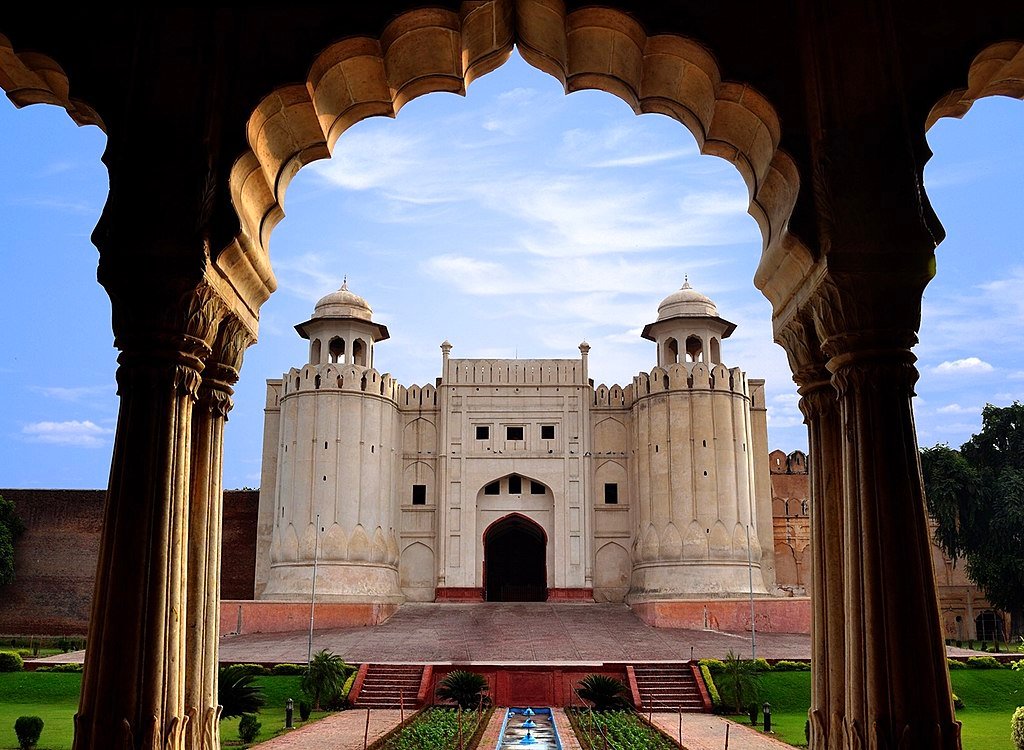
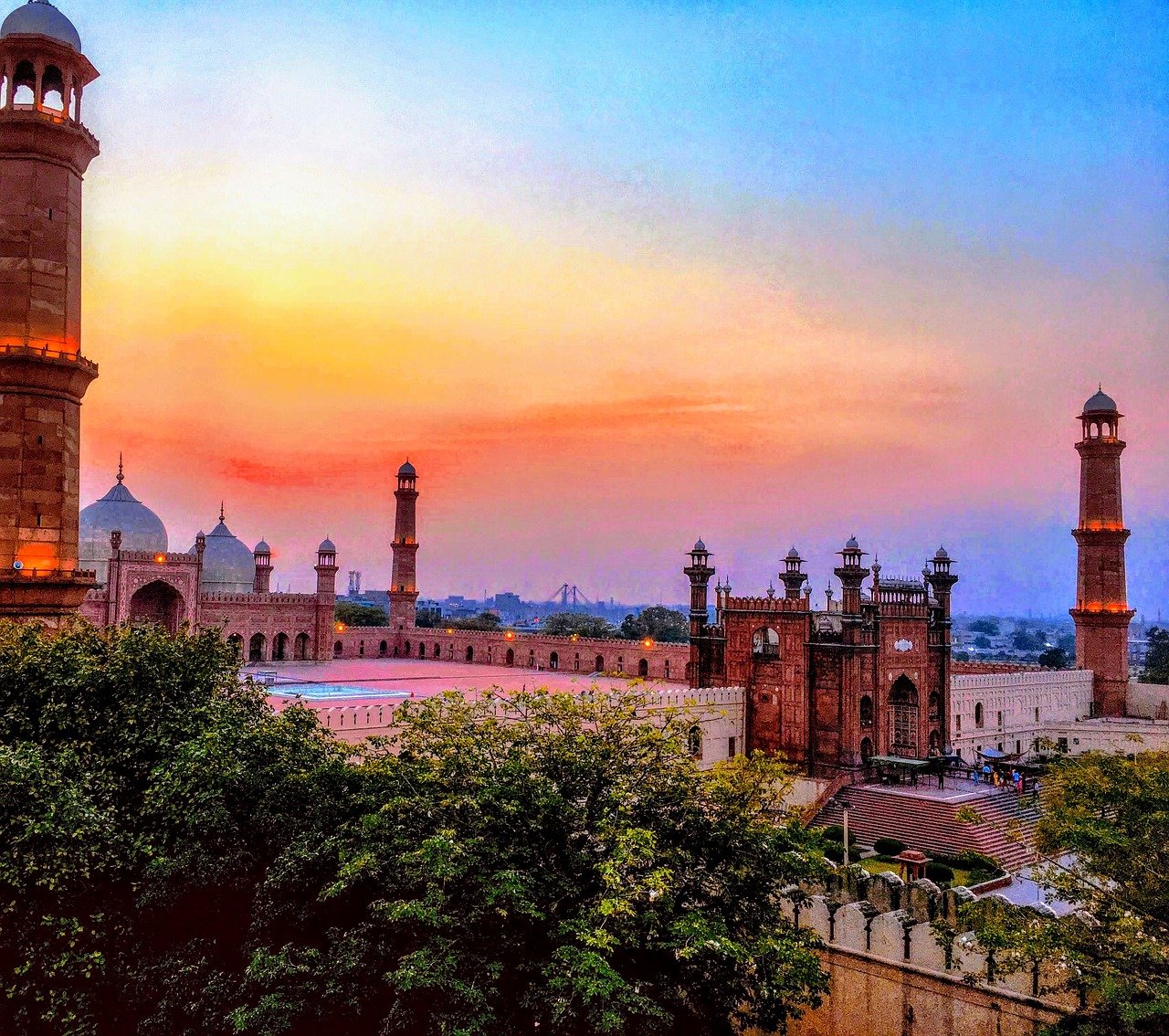
Nestled within the historic Lahore Fort, the Sheesh Mahal, or “Palace of Mirrors,” stands as the crowning achievement of Mughal artistry and architectural ambition. Commissioned by Emperor Shah Jahan in the 1630s—the visionary behind the Taj Mahal—this exquisite structure served as a private royal chamber. It was designed as a functional living space that embodied the empire’s ultimate luxury, sophisticated aesthetic, and quest to create an earthly paradise. Today, as part of the UNESCO World Heritage-listed Lahore Fort, it remains Pakistan’s most dazzling example of Mughal grandeur, attracting historians and travelers alike to its shimmering halls.
Historical Significance: From Shah Jahan to the Present
Sheesh Mahal was built around 1631-32 AD during the golden age of Mughal architecture under Shah Jahan. This period was marked by an imperial vision that fused immense scale with refined artistry. Unlike the funerary purpose of the Taj Mahal, Sheesh Mahal was created as a residential palace within the secure zenana (women’s quarters) of the fort, likely for the emperor’s favorite consorts. It symbolized the peak of Mughal cultural and political power in Lahore.
The palace witnessed the turbulent transitions of history. Following the Mughal decline, it was occupied by Maharaja Ranjit Singh’s Sikh Empire in 1799, who used and adapted the space. During the subsequent British colonial period (1849-1947), the fort was converted to military use, leading to some neglect. After Pakistan’s independence, concerted restoration efforts began to preserve this delicate treasure. Its survival through these eras makes it a living textbook of South Asia’s layered history, representing continuity and resilience.
Architectural Brilliance: The Science of Light and Reflection
The defining genius of Sheesh Mahal lies in its revolutionary interior decoration, specifically the technique of ayina-kari (mirror mosaic).
The Mirror Work: Artisans embedded thousands of small, convex pieces of glass into the plaster of walls and ceilings. This was not mere decoration but a sophisticated optical engineering. The convex shape increased the reflective surface and scattered light. The strategic placement meant that the light from a single candle or oil lamp would multiply into a breathtaking, starry spectacle across the entire chamber, transforming the room into a celestial vault at night.
Structural and Aesthetic Design: The palace follows a symmetrical Mughal layout with a central hall flanked by private chambers. Built primarily with brick and lime mortar, it utilizes thick walls for insulation against Lahore’s climate. The exterior is comparatively austere, featuring classic Mughal cusped arches, while the interior is a riot of meticulous craftsmanship.
Complementary Decorative Arts: Beyond the mirrors, the palace showcases the full repertoire of Mughal art:
Pietra Dura: Semi-precious stones like lapis lazuli and jade were inlaid into white marble to form floral and geometric patterns.
Stucco Tracery: Delicate plaster was carved into intricate vines and flowers, often originally painted or gilded.
Fresco Painting: Traces remain of painted scenes depicting court life and gardens on some walls.
Marble Inlay: Contrasting black marble was used to create elegant borders and calligraphic inscriptions on white surfaces.
This combination created a multi-sensory environment where light, color, texture, and pattern interacted harmoniously.
Symbolism and Function: More Than a Pretty Palace
Sheesh Mahal was a profound philosophical statement. In Mughal and Persian thought, mirrors symbolized self-reflection, wisdom, and the soul’s journey toward divine truth. The palace, designed to reflect and multiply light, was a physical manifestation of the emperor’s role in illuminating the world and creating a microcosm of paradise.
Socially, it served as a highly regulated zenana, ensuring privacy and security for royal women while connecting them to court life. Politically, it was a tool of “soft power.” The awe-inspiring interiors were occasionally shown to important diplomats and guests, serving as a potent display of the empire’s wealth, technological prowess, and cultural superiority, designed to intimidate and impress in equal measure.
A Practical Guide for Visitors
Planning Your Visit:
Best Time: Visit during the cooler months from October to March. Aim for early morning (9-11 AM) when the natural light perfectly illuminates the mirror work without harsh glare. Weekdays are less crowded than weekends.
Getting There: Located in the northwest corner of Lahore Fort. From Lahore’s city center, it’s a short rickshaw ride. The Allama Iqbal International Airport is about 18 km away (35-40 minute drive).
Entry: Access is included with the Lahore Fort ticket. Foreign tourists pay a higher fee than locals.
Photography Tips: Flash photography is strictly prohibited to protect the centuries-old glass and pigments. To capture its beauty:
Use a tripod to stabilize your camera in the low-light interior.
A wide-angle lens (16-35mm) captures the scale, while a macro lens (90-100mm) is perfect for intricate details of the mosaic.
Compose shots to use reflected light. Position subjects to show the scale of the space without obscuring architectural details.
On-Site Essentials:
Guides: Hiring a licensed guide at the fort entrance is highly recommended to understand the historical and artistic context.
Accessibility: As a historic structure, there are steps and uneven surfaces. Wheelchair access to main areas is possible but may require assistance.
Preservation: Help conserve the site. Do not touch the mirror or plaster surfaces, as oils from skin cause permanent damage. Stay behind marked barriers.
Conservation: Protecting a Delicate Legacy
Preserving Sheesh Mahal is an ongoing battle against time and environment. Lahore’s humidity, temperature swings, and urban pollution threaten the fragile mirror adhesives, plaster, and stone inlays. Modern conservation employs a mix of old and new methods:
Digital Documentation: 3D laser scanning creates millimeter-accurate records to monitor decay and guide restoration.
Reviving Traditional Crafts: Artisans are trained in the ancient techniques of ayina-kari and stucco work to ensure repairs are historically authentic.
Visitor Management: Strategies like timed entry and designated pathways help minimize physical impact from tourism, ensuring the palace can be enjoyed by future generations.
Conclusion: An Enduring Reflection of Genius
The Sheesh Mahal is more than a static monument; it is a timeless conversation between art, science, and power. It challenges modern architecture to consider how space can engage the human spirit through the masterful manipulation of material and light. For the visitor, it offers a transcendent experience—a direct connection to the sophisticated worldview of the Mughal court where beauty was a serious intellectual and spiritual pursuit.
In our digital age, the physical wonder of Sheesh Mahal holds particular power. It reminds us of the irreplaceable value of crafted space and tangible heritage. Its walls, embedded with countless mirrors, continue to reflect not just light, but the gaze of history itself, inviting all who enter to share in the brilliance of a lost empire’s dream.