Rose and Jasmine Garden, Shakarparian: Islamabad’s Fragrant Floral Paradise
Amidst the modern grid of Islamabad lies a sensory oasis where color and fragrance reign supreme. The Rose and Jasmine Garden in Shakarparian is not merely a park; it is a meticulously curated botanical haven and one of the capital’s most cherished public spaces. Conceived to showcase the beauty of Pakistan’s floral heritage, this garden offers a serene escape from urban bustle, where the heady perfume of jasmine mingles with the visual splendor of thousands of roses. More than just a collection of plants, it is a living canvas that changes with the seasons, a popular venue for cultural reflection, and a testament to the city’s commitment to integrating natural beauty into its civic identity. This guide provides a complete overview for visitors, from the best times to witness its glory to tips for capturing its ephemeral beauty.
An Overview of Shakarparian’s Floral Jewel
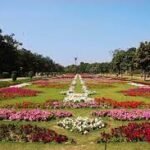
Situated on the terraced slopes of Shakarparian, adjacent to the iconic Pakistan Monument, the Rose and Jasmine Garden is a masterclass in ornamental horticulture. Its design balances formal European-style flower beds with more relaxed, winding pathways shaded by mature trees. The garden’s primary mandate is dual-purpose: to serve as a recreational green space for Islamabad’s residents and to function as a living exhibit of floral diversity. Unlike vast wilderness parks, its charm lies in its accessibility and intimate scale. A visitor can comfortably explore its highlights in one to two hours, making it perfect for a morning stroll, a quiet afternoon picnic, or a photography session during the golden hours. It stands as a peaceful counterpoint to the monumental architecture nearby, offering softness and fragrance where other sites offer scale and history.
History and Cultural Significance
The development of the Rose and Jasmine Garden is intertwined with the broader landscaping vision for Shakarparian, an area designated as a cultural and recreational hub during Islamabad’s planning in the 1960s. The garden was established to add a layer of refined horticultural beauty to the area, complementing the national symbolism of the Pakistan Monument. Over the decades, it has evolved from a simple planting scheme into a beloved institution.
Its significance extends beyond botany. The garden has woven itself into the social fabric of Islamabad. It is a favored location for small-scale cultural events, including poetry recitals, musical performances, and art exhibitions, often held in its open-air pavilions. It is a staple destination for school educational trips, where students learn about plant biology, pollination, and environmental stewardship. Perhaps most importantly, it serves as a democratic social space—a neutral ground where families from all walks of life gather, children play on the lawns, couples take leisurely walks, and elderly visitors find a quiet bench for contemplation. In a city of diplomats and civil servants, the garden remains a profoundly local and personal landmark.
Main Attractions and Seasonal Displays
The garden’s layout is designed to offer a progression of experiences, each highlighting different aspects of its floral collection.
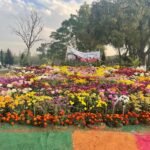
1. The Rose Beds – A Symphony of Color The heart of the garden is its extensive rose cultivation. Arranged in neat, organized beds, hundreds of rose bushes burst into bloom primarily during the spring (March to May) and again in the milder autumn (October to November). The variety is impressive, featuring hybrid teas, floribundas, and climbers in a spectrum from pristine white and soft pink to vibrant crimson and sunny yellow. These beds are not just for viewing; they are the centerpiece for occasional flower shows and competitions, where gardening enthusiasts display their finest blooms.
2. The Jasmine Alleys – A Fragrant Canopy While roses dominate visually, jasmine defines the garden’s atmosphere. Trellises and hedges of common jasmine (Jasminum officinale) and other varieties create fragrant, shaded walkways. The scent is most potent in the evening and early morning, especially during the summer months, transforming a simple walk into a deeply aromatic experience. These alleys provide intimate, photogenic pathways that feel worlds away from the city just beyond the gates.
3. Lawns, Shaded Groves, and Pavilions Interspersed among the floral displays are expansive green lawns under the canopy of old trees like pine and eucalyptus. These areas are the garden’s social hubs, ideal for picnics, family gatherings, or simply spreading out a mat to read a book. Scattered pavilions and sheltered seating areas offer respite from the sun and occasional rain, making the garden enjoyable across different seasons and times of day.
Planning the Perfect Picnic or Family Outing
The Rose and Jasmine Garden is designed for leisurely enjoyment. For a successful visit:
Timing: Arrive early in the morning (around 8:00 AM) to enjoy the cool air, the strongest jasmine scent, and the best light for photography before crowds arrive. Late afternoon is another excellent time, culminating in a beautiful sunset.
What to Bring: A picnic blanket, simple snacks, and water are essential, as on-site food options are limited. A small trash bag to carry out your waste is a must to help preserve the garden’s pristine condition.
Etiquette: This is a shared space of tranquility. Keep noise levels respectful, supervise children to ensure they don’t run through or pick from the flower beds, and always use designated pathways to protect the delicate landscaping.
A Photographer’s Guide to the Garden
For photographers, the garden is a year-round studio offering diverse subjects.
Best Light: The “golden hours”—the first hour after sunrise and the last hour before sunset—provide soft, warm, directional light that makes colors pop and creates beautiful, long shadows.
Essential Gear:
A Macro Lens: Indispensable for capturing the intricate details of a single rose or dewdrops on a jasmine petal.
A Prime Lens (50mm or 85mm): Perfect for portraits with creamy, blurred backgrounds (bokeh) using the flowers as a foreground.
A Lightweight Tripod: Crucial for macro shots in lower light conditions to ensure razor-sharp focus.
Creative Compositions: Use the jasmine-covered arches as natural frames. Shoot along the rows of rose beds to create a sense of depth and repetition. Focus on textures—the velvety surface of a rose petal against the rough bark of a tree.
Practical Information: Access and Facilities
Location: Shakarparian, Islamabad, immediately adjacent to the Pakistan Monument complex.
Getting There: Easily accessible by private car, taxi, or ride-hailing services. The main entrance is well-signposted from Shakarparian Road.
Parking: Ample parking is available near the entrance, though it can fill up quickly on weekends and public holidays.
Entry Fee: There is no entry fee for the general public, making it an accessible outing for all. Special events or flower shows may occasionally have a nominal charge.
Facilities: Basic public restrooms are available. Visitors should note that drinking water fountains are sparse, so carrying bottled water is advised.
Frequently Asked Questions (FAQs)
Q: When is the absolute best time to visit for blooms? A: Mid-April to early May typically offers the peak rose display, while jasmine is most fragrant from May through July.
Q: Can I do a professional photoshoot here? A: Small, personal photoshoots are generally tolerated. For commercial, bridal, or large-scale professional shoots, you must obtain prior permission from the Capital Development Authority (CDA) to avoid any issues.
Q: Is the garden wheelchair accessible? A: The main central pathways are paved and relatively flat, offering good access. However, some secondary paths leading into specific flower beds may have steps or uneven surfaces.
Q: Are pets allowed? A: Pets are typically not allowed within the main garden areas to protect the flower beds and ensure the comfort and safety of all visitors.
Q: Can I combine this with other attractions? A: Absolutely. A perfect half-day itinerary could include: the Pakistan Monument and Museum for history, followed by a relaxing walk through the Rose and Jasmine Garden, and culminating with a visit to the nearby Lok Virsa Museum for culture.