Murree’s Weather Mysteries: Why It’s Always Colder Than You Expect
Just 60 kilometers northeast of Islamabad’s urban heat, Murree rises as a perennial escape, a verdant hill station perched at an average altitude of 2,200 meters (7,200 feet). Its charm is undeniable, yet its weather is famously deceptive. Visitors consistently report a singular phenomenon: Murree is always colder than they anticipate. This isn’t merely a feeling; it’s a predictable reality shaped by a unique confluence of altitude, geography, and atmospheric conditions. Understanding Murree’s microclimates is not just about comfort—it’s the key to a safe, enjoyable, and truly immersive experience in Pakistan’s most beloved mountains. This guide unravels the science behind the chill, provides a definitive seasonal breakdown, and offers a practical, layer-based strategy to conquer the cold.
The Science of the Chill: Why Murree Defies Expectations
Several distinct factors work in concert to create Murree’s characteristically crisp and unpredictable climate, often catching underprepared visitors off guard.
1. The Altitude Factor (Adiabatic Lapse Rate): This is the primary driver. Air temperature decreases with altitude at a standard rate known as the Environmental Lapse Rate, approximately 6.5°C for every 1,000 meters gained. Murree’s elevation (2,200m) is roughly 2,000 meters higher than Islamabad (500m). Therefore, on any given day, you can expect Murree to be about 13°C (23°F) cooler than the capital. A pleasant 25°C (77°F) day in Islamabad translates to a brisk 12°C (54°F) in Murree—a dramatic difference often underestimated.
2. Microclimates and Cold Air Drainage: Murree is not a uniform plateau. It is a rugged landscape of ridges, deep ravines, and dense coniferous forests. This topography creates stark microclimates:
Sun Traps vs. Shaded Hollows: South-facing slopes like parts of the Mall Road can be warm and sunny, while north-facing slopes and valleys shrouded in deodar and pine forests remain cool and damp throughout the day.
Cold Air Pooling: At night, denser, cold air flows downhill like water, collecting in valleys and lower areas such as Bhurban. These spots can be significantly colder than hilltops, explaining why your hotel in a hollow feels freezing even if the daytime high was mild.
3. Humidity, Fog, and Wind Chill: Murree’s cool air often holds high moisture content, leading to its famous rolling fog and mist.
Conductive Cooling: Damp air is a more efficient conductor of heat than dry air. It pulls heat from your body much faster, making a 10°C (50°F) day in Murree feel much colder than a dry 10°C day elsewhere.
The Fog Factor: Fog can appear suddenly, reducing visibility and adding to the damp chill. It also blocks sunlight, preventing daytime warming.
Wind Chill: A steady breeze, common on exposed ridges and viewpoints like Patriata, strips away the thin layer of warm air surrounding your body. A 15 km/h wind can make a 5°C (41°F) temperature feel like 0°C (32°F).
A Seasonal Guide to Murree’s Moods
Murree’s personality shifts dramatically with the seasons, each demanding a specific preparedness strategy.
Winter (December – February): This is Murree’s quintessential season, defined by snow and deep cold. Temperatures frequently hover around or below freezing, with heavy snowfall that transforms the town into a wonderland. Icy roads and footpaths are the norm. This season requires serious gear: insulated waterproof boots, heavy down or synthetic jackets, thermal base layers, gloves, and beanies. Driving demands extreme caution, often requiring tire chains.
Spring (March – May): A season of transition and great beauty. Days can be surprisingly warm and sunny, but nights and early mornings remain very cold. The melt from winter snow keeps the air moist and valleys cool. This is the season where layering is most crucial—a thermal base, a light fleece, and a packable windproof shell will see you through a day that might swing from 5°C to 18°C.
Summer / Monsoon (June – August): While the plains swelter, Murree offers cool respite. However, this period coincides with the monsoon, bringing frequent, sometimes heavy, rainfall and persistent, dense fog. Temperatures are mild (15-20°C), but the dampness and wet conditions create a penetrating chill. Waterproof jackets, pants, and footwear are non-negotiable. Landslides can occasionally disrupt roads.
Autumn (September – November): Often considered the best time to visit. The monsoon retreats, leaving behind crisp, clear air and brilliant blue skies. Days are pleasantly cool, but the diurnal temperature range is extreme. Warm, sunny afternoons give way to rapidly cooling evenings and frosty nights. Layering remains essential, and a warm jacket for evenings is a must.
The Master Packing List: Conquer the Cold with Layers
Forget packing a single bulky sweater. The key to comfort in Murree is a versatile layering system that you can adapt minute-by-minute.
1. The Base Layer (Moisture Management): This is your second skin. Its job is to wick sweat away from your body to keep you dry.
Avoid Cotton: It retains moisture and will make you cold.
Choose: Synthetic materials (polyester) or natural Merino wool. Opt for lightweight or midweight depending on the season.
2. The Mid Layer (Insulation): This layer traps body heat to keep you warm.
Options: Fleece jackets, down or synthetic insulated vests/jackets, or a thick wool sweater.
Tip: A lightweight puffer jacket is an excellent, packable mid-layer for most seasons except peak winter.
3. The Outer Shell (Protection): This is your shield against wind, rain, and snow.
Essential: A waterproof and windproof jacket with a hood. For winter, ensure it’s insulated or large enough to fit over your mid-layers.
The Rest of Your Kit:
Footwear: Waterproof hiking shoes or boots with good grip for icy or muddy paths.
Head & Hands: A warm beanie (40% of body heat is lost through the head) and gloves.
Accessories: A scarf or neck gaiter, moisture-wicking socks, and sunglasses (for glare off snow or bright high-altitude sun).
Health, Safety, and Smart Travel Tips
Acclimatize Gently: If coming from low elevations, take it easy on your first day to avoid altitude-related headaches.
Stay Hydrated: Cold, dry air can be deceptively dehydrating. Drink plenty of water.
Road Safety: Fog can descend in minutes, reducing visibility to zero. If driving, use fog lights, drive slowly, and avoid night travel in poor weather. Consider hiring a local driver familiar with the conditions.
Power Management: Cold temperatures drain smartphone and camera batteries rapidly. Keep electronics in inner pockets and carry a power bank.
A Sample Two-Day Weather-Adaptive Itinerary
Day 1 (Assuming Clear Forecast):
Morning (8-11 AM): Visit high, sunny viewpoints like Kashmir Point. Wear base layer + fleece.
Afternoon (1-4 PM): Stroll the Mall Road. You may shed your fleece. Carry a sun hat.
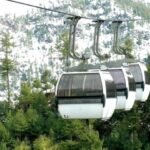
Late Afternoon (5 PM): Experience the Patriata Chairlift. At this higher altitude with wind, add your windproof shell immediately.
Day 2 (Assuming Fog/Rain Forecast):
Morning: Opt for indoor activities—explore Murree’s historic churches or browse the Mall Road shops. Keep your camera in a dry bag.
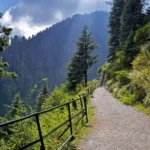
Afternoon: Take a short, paved walk in the Pine forests near Pindi Point. Full waterproof shell and pants are essential.
Evening: Enjoy an early dinner at a cozy restaurant and settle in. Avoid any non-essential travel as fog will thicken after dusk.