Hazuri Bagh & Baradari: Stories of Ranjit Singh’s Court
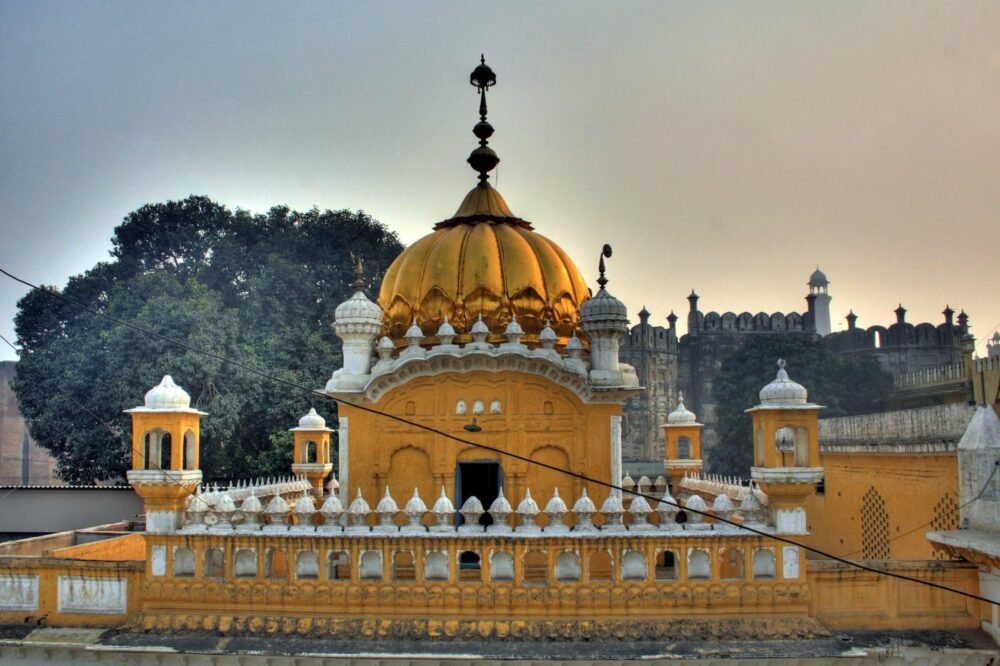
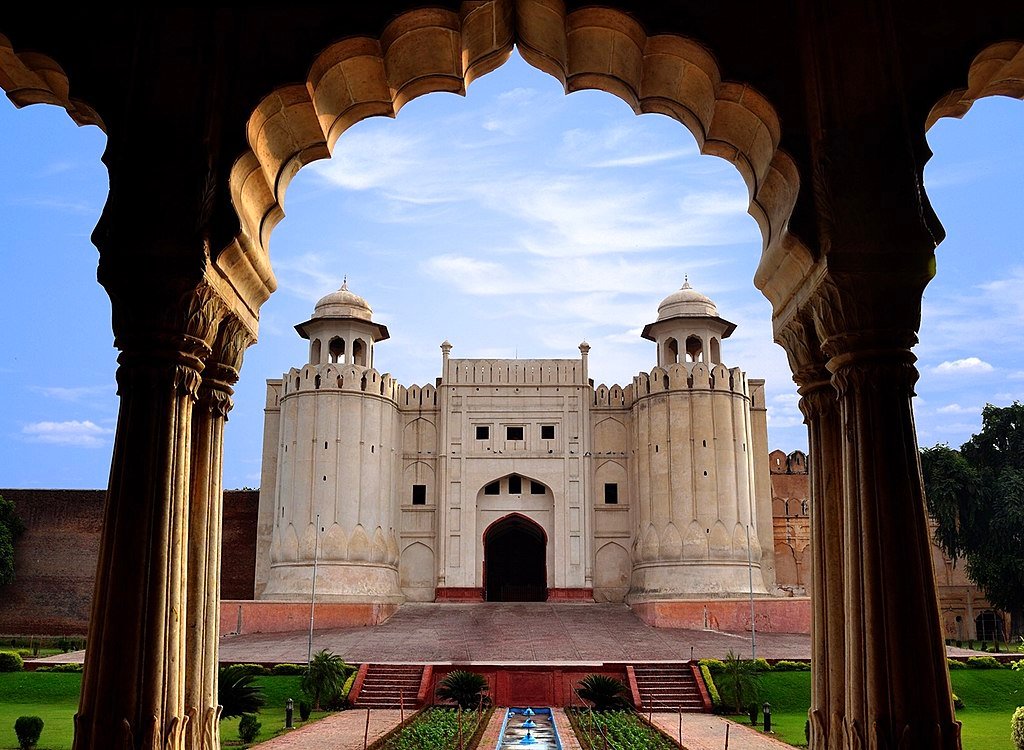
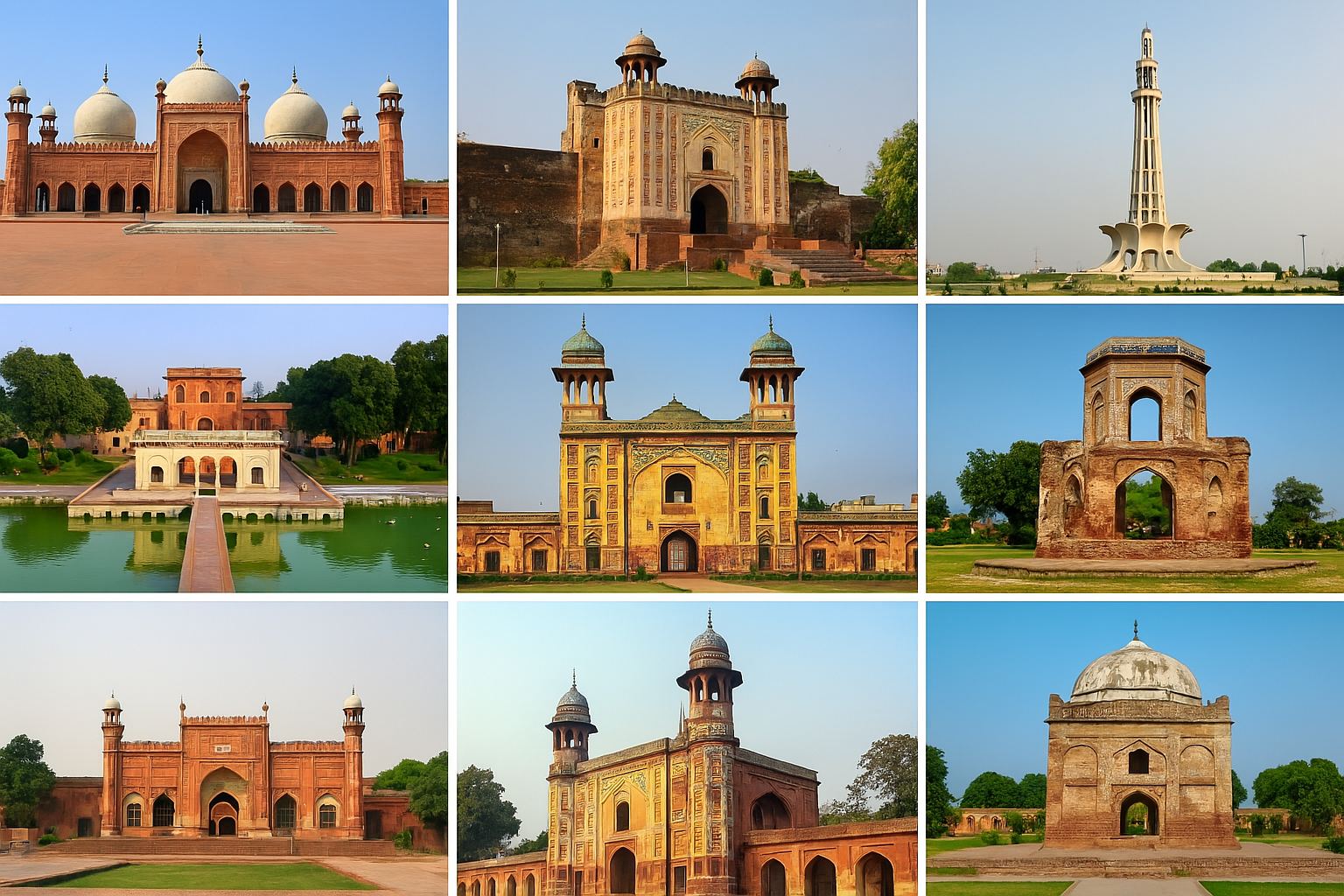
Located between the majestic Lahore Fort and Badshahi Mosque, Hazuri Bagh is a historic garden housing the elegant Baradari pavilion. Built by Maharaja Ranjit Singh in 1818, it served as the royal court of the Sikh Empire and stands as a powerful symbol of Sikh sovereignty in Lahore.
Historical Significance
Purpose: The garden and pavilion were built to celebrate the Sikh Empire’s acquisition of the Koh-i-Noor diamond in 1813.
Symbolism: The name translates to “Presence Garden,” designed as a space for royal audiences. Its location between two Mughal masterpieces was a deliberate statement of Sikh power.
Timeline: It witnessed the peak of the Sikh Empire (1799-1849) before British annexation and is now a protected monument.
The Architectural Marvel: The Baradari
The centerpiece is the Baradari, meaning “twelve-doored.”
Design: A twelve-door, open-air pavilion built from white marble, showcasing a fusion of Mughal and Sikh architectural styles.
Key Features: Includes fluted pillars, intricate marble lattice screens (jali), and an elevated platform. It was designed for accessibility and ventilation.
The Garden: The Hazuri Bagh garden itself follows the traditional Persian Charbagh (four-part) layout.
Life in Ranjit Singh’s Court
The Baradari was the active seat of the Sikh Empire’s administration.
Function: Served as the daily durbar (court) where Maharaja Ranjit Singh held audiences, discussed military strategy, received diplomats, and heard public petitions.
Atmosphere: Known for its relative informality compared to Mughal courts.
Notable Figures: Hosted key personalities like Prime Minister Raja Dhian Singh, general Hari Singh Nalwa, and European visitors.
Visitor Information & Tips
Location: Between Badshahi Mosque and Lahore Fort in Lahore.
Hours: Open from sunrise to sunset.
Entrance Fee:Free. (Note: Adjacent Lahore Fort has an entry fee).
Best Time to Visit: October to March. Early morning or late afternoon offers the best light and cooler temperatures.
Tour Length: Allocate 30-45 minutes for the garden and pavilion. It’s best visited as part of a combined trip with the Fort and Mosque (3-4 hours total).
Getting There: Accessible via Metro Bus (Lakshmi Chowk station), rickshaws, or taxis. Parking is limited.
Frequently Asked Questions (FAQs)
Why was it built? To commemorate obtaining the Koh-i-Noor diamond and to establish a symbolic Sikh court in the Mughal capital.
What does ‘Baradari’ mean? It means “twelve doors” in Persian, describing its architectural style.
Is photography allowed? Yes, for personal use.
Are guides available? Yes, licensed guides are often available near the entrances of the adjacent monuments.
What else is nearby? The UNESCO World Heritage sites of Lahore Fort and Badshahi Mosque, plus Ranjit Singh’s Samadhi and the Walled City.