Greater Iqbal Park Lahore Guide 2024 – Minar-e-Pakistan, History & Activities
Greater Iqbal Park is one of Lahore’s most significant historical and recreational spaces, spanning over 125 acres around the iconic Minar-e-Pakistan. This park beautifully blends Pakistan’s independence history with modern recreational facilities, creating a national symbol that attracts millions of visitors annually.
Why Greater Iqbal Park is Special
Historical Importance: Site of the 1940 Pakistan Resolution
National Monument: Home to the iconic Minar-e-Pakistan
Recreational Hub: Extensive gardens, lakes, and family activities
Cultural Center: Museums and educational facilities
Urban Oasis: One of Lahore’s largest and most visited parks
*”Greater Iqbal Park is where the soul of Pakistan finds its voice—where the echoes of the 1940 Resolution mingle with children’s laughter, where the Minar-e-Pakistan stands as both a historical monument and a beacon of hope, and where every visitor becomes part of the living history of this nation.” – Historian Dr. Ali Raza*
1. Historical Significance & Development
Greater Iqbal Park’s history is deeply intertwined with the Pakistan Movement, making it one of the most politically significant sites in South Asia.
Pakistan Resolution 1940
Event: March 23, 1940
Significance: Lahore Resolution The park grounds witnessed the historic session of the All-India Muslim League where the Lahore Resolution was passed, demanding independent states for Muslims in northwestern and eastern zones of India.
Historical Timeline
1940: Lahore Resolution passed at this site
1960s: Construction of Minar-e-Pakistan begins
1968: Minar-e-Pakistan completion
2016: Park redevelopment and expansion
Present: Major national and cultural events venue
Park Development & Transformation From a simple ground to a world-class park, Greater Iqbal Park has undergone significant transformations while preserving its historical character.
Development Phases
Original Ground: Minto Park where resolution was passed
Monument Construction: 8-year building of Minar-e-Pakistan
Park Establishment: Development around the monument
Recent Upgrades: 125-acre expansion with modern facilities
Conservation: Preservation of historical elements
2. Minar-e-Pakistan – The Iconic Monument
The Minar-e-Pakistan stands as the centerpiece of the park, a magnificent tower commemorating the Lahore Resolution and symbolizing Pakistan’s independence struggle.
Architecture & Design
Height: 70 meters
Completed: 1968 Designed by architect Nasreddin Murat-Khan, the Minar-e-Pakistan blends Mughal, Islamic, and modern architectural styles, creating a unique national symbol.
Architectural Features
Base Structure: 8-meter high platform resembling a flower
Tower Design: Blend of Mughal and modern architecture
Material: Reinforced concrete with stone and marble
Inscriptions: Quranic verses and historical texts
Viewing Deck: Panoramic views of Lahore from top
Visitor Experience Visitors can explore the monument and learn about its significance through various interactive and educational elements.
Monument Features
Elevator Access: To reach the viewing gallery
Museum Section: Historical documents and photographs
Guided Tours: Available for educational groups
Light Show: Evening illuminations
Ceremonial Area: For national day celebrations
3. Museums & Historical Monuments
Greater Iqbal Park houses several important museums and monuments that preserve and showcase Pakistan’s rich historical heritage and independence struggle.
Pakistan Resolution Museum
Location: Near Minar-e-Pakistan
Focus: Independence Movement The Pakistan Resolution Museum offers an immersive journey through the Pakistan Movement, featuring rare artifacts, documents, and multimedia presentations.
Museum Highlights
Original Documents: Copies of the Lahore Resolution
Photographic Gallery: Historic images from 1940
Audio-Visual Theater: Documentary screenings
Personal Artifacts: Belongings of founding fathers
Interactive Displays: Touchscreen information kiosks
Liberty Park & Monuments The park features several monuments and sculptures that commemorate important figures and events from Pakistan’s history.
Notable Monuments
Allama Iqbal Statue: Tribute to the poet-philosopher
Historical Plaques: Informative markers throughout
Art Installations: Contemporary Pakistani art
Educational Facilities The park serves as an important educational resource with facilities designed for students and researchers.
Learning Resources
Research Library: Historical documents archive
Educational Programs: School group tours
Workshop Spaces: Historical seminars and talks
Digital Archives: Online historical resources
Guided Educational Tours: Curriculum-based visits
4. Recreational Activities & Family Fun
Beyond its historical significance, Greater Iqbal Park offers numerous recreational activities making it a perfect destination for families, fitness enthusiasts, and nature lovers.
Walking & Jogging Trails
Track Length: 3.5 km
Surface: Paved Pathways The park features well-maintained walking and jogging tracks that circle the Minar-e-Pakistan, offering both exercise opportunities and beautiful views.
Fitness Facilities
Designated Jogging Track: Marked running paths
Outdoor Exercise Stations: Fitness equipment along routes
Morning Walkers Club: Regular walking groups
Yoga Areas: Designated spaces for yoga practice
Cycling Paths: Separate lanes for bicycle riders
Family & Children Activities The park offers numerous activities specifically designed for families and children, making it a popular weekend destination.
Family Entertainment
Children’s Play Area: Modern playground equipment
Paddle Boating: Lake with boat rentals
Picnic Spots: Designated grassy areas
Food Stalls: Local snacks and refreshments
Seasonal Events: Cultural festivals and fairs
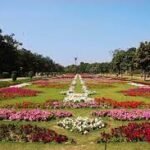
Gardens & Natural Attractions Beautifully landscaped gardens and natural features enhance the park’s aesthetic appeal and provide tranquil spaces for relaxation.
“Every evening, as the sun sets behind Minar-e-Pakistan, the park transforms into a vibrant tapestry of Pakistani life—children chasing kites, families sharing stories on picnic blankets, fitness enthusiasts completing their evening walks, and young couples admiring the illuminated monument. It’s here that you truly understand how history and daily life intertwine in Pakistan’s cultural heart.” – Local Resident Ahmed Hassan
5. Greater Iqbal Park Visitor Information 2024
Planning your visit to Greater Iqbal Park is essential to make the most of this historical and recreational destination.
Location & Access
Area: Azadi Chowk, Lahore
Size: 125 acres Greater Iqbal Park is strategically located at one of Lahore’s most important intersections, making it easily accessible from all parts of the city.
Getting There
Address: Azadi Chowk, Circular Road, Lahore
Public Transport: Multiple bus routes and metro station nearby
Metro Station: Azadi Chowk Station on Orange Line
Parking: Designated parking areas around the park
Accessibility: Wheelchair-friendly pathways
Timings & Entry Fee 2024
Park Opening: 6:00 AM
Park Closing: 10:00 PM The park offers generous visiting hours to accommodate both early morning visitors and evening walkers.
Visitor Information
Entry Fee: Free for park access
Minar-e-Pakistan Entry: Small fee for monument access
Best Time to Visit: Early morning or late afternoon
Museum Timings: 9:00 AM to 5:00 PM
Photography: Permitted throughout the park
“From the first light of dawn when walkers circle the Minar-e-Pakistan to the evening hours when families gather on the lush lawns, Greater Iqbal Park remains Pakistan’s living room—a space where national pride, historical consciousness, and community spirit converge in perfect harmony.” – Regular Visitor Samina Khan
6. Frequently Asked Questions About Greater Iqbal Park
1. What is the entry fee for Greater Iqbal Park Lahore? Entry to Greater Iqbal Park is completely free for all visitors. You can access the park grounds, gardens, walking paths, and most attractions without any charge. However, there is a small fee for entering the Minar-e-Pakistan monument and its viewing gallery.
2. What are Greater Iqbal Park Lahore timings? Greater Iqbal Park is open from 6:00 AM to 10:00 PM daily. These extended hours accommodate both early morning walkers and evening visitors. The Minar-e-Pakistan and museums within the park have separate timings, typically from 9:00 AM to 5:00 PM.
3. Can we go to the top of Minar-e-Pakistan? Yes, visitors can go to the top of Minar-e-Pakistan via an elevator that takes you to the viewing gallery. There is a small entry fee. From the top, you get panoramic views of Lahore, including the Badshahi Mosque, Lahore Fort, and the entire park.
4. What is the best time to visit Greater Iqbal Park? The best time to visit depends on your preferences. For pleasant weather and good photography light, early morning (6-9 AM) and late afternoon (4-7 PM) are ideal. Spring (February to April) and autumn (October to November) offer the most comfortable weather.
5. Are there guided tours available at Greater Iqbal Park? Yes, guided tours are available, especially for the Minar-e-Pakistan and historical sections. For educational institutions and organized groups, guided tours can be arranged by contacting park administration in advance. Many local tour operators include the park in their historical tours.
6. Is photography allowed in Greater Iqbal Park? Yes, photography for personal use is allowed and encouraged throughout the park. The Minar-e-Pakistan, gardens, and monuments provide excellent photo opportunities. Commercial photography or professional filming may require prior permission. Drone photography is generally not permitted.
“Greater Iqbal Park represents the perfect synthesis of Pakistan’s journey—a historical ground where the nation’s destiny was decided, transformed into a vibrant public space where that destiny is celebrated daily.” – Heritage Conservationist Dr. Ayesha Malik