Location & Background
Pakistan is located in South Asia and shares borders with China, India, Afghanistan, and Iran. The country is home to some of the world’s highest mountain ranges, including the Karakoram, Himalayas, and Hindu Kush.
Pakistan offers remarkable geographical diversity. Visitors can explore snow-covered peaks in the north, deserts in the south, historical cities in Punjab, and beaches along the Arabian Sea.
For foreign travelers, one of the country’s greatest attractions is the combination of breathtaking scenery and authentic cultural experiences. Many destinations remain relatively untouched by mass tourism, providing a unique travel experience.
How to Reach Pakistan
Most foreign tourists arrive through international airports located in Islamabad, Lahore, Karachi, and Sialkot.
Domestic flights and road networks connect major tourist regions throughout the country.
Distance Table from Islamabad
| Destination | Distance | Approximate Travel Time |
|---|---|---|
| Murree | 65 km | 1.5–2 Hours |
| Swat Valley | 250 km | 5–7 Hours |
| Neelum Valley | 240 km | 6–8 Hours |
| Hunza Valley | 600 km | 12–15 Hours |
| Skardu | 630 km | 16–20 Hours by Road |
| Fairy Meadows | 540 km | 12–14 Hours |
| Lahore | 380 km | 4–5 Hours |
| Karachi | 1,140 km | 14–16 Hours |
Travel times may vary depending on weather, traffic, and road conditions. Visitors should verify local transportation updates before travel.
Where to Stay
Pakistan offers accommodation for every budget and travel style.
Hotels
Major tourist destinations provide modern hotels ranging from budget-friendly options to luxury accommodations.
Guest Houses
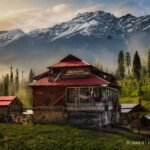
Local guest houses are common in northern valleys and provide visitors with a more authentic cultural experience.
Resorts
Popular tourist areas such as Hunza, Skardu, Murree, and Swat feature scenic resorts with impressive mountain views.
Boutique Stays
Historic regions including Lahore and Hunza have boutique properties that combine local architecture with modern comforts.
Accommodation rates and availability may change seasonally. Travelers should confirm details directly with accommodation providers.
Weather & Best Time to Visit
The ideal time to visit Pakistan depends on the destination you plan to explore.
Season Table
| Season | Months | Weather Conditions |
|---|---|---|
| Spring | March–May | Blossoms, pleasant temperatures |
| Summer | June–August | Best for northern valleys |
| Autumn | September–November | Fall colors and mild weather |
| Winter | December–February | Snowfall in northern regions |
Best Time to Visit
- Northern Pakistan: May to October
- Historical cities: October to March
- Coastal areas: November to February
- Snowfall destinations: December to February
Spring and autumn generally provide the most comfortable conditions for sightseeing across multiple regions.
Places to Visit
Hunza Valley
Hunza Valley is one of the most famous destinations in Pakistan and a favorite among international travelers.
Surrounded by snow-capped peaks, the valley offers spectacular landscapes, friendly communities, and historic sites such as Baltit Fort and Altit Fort.
Attabad Lake and Passu Cones are among the most photographed attractions in the country.
Skardu
Skardu is a gateway to some of the world’s highest mountains.
Foreign tourists visit Skardu for its lakes, valleys, deserts, and access to trekking routes leading toward K2 and the Karakoram Range.
Popular attractions include Shangrila Resort, Upper Kachura Lake, Satpara Lake, Shigar Valley, and Sarfaranga Cold Desert.
Fairy Meadows
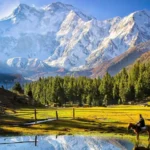
Fairy Meadows offers one of the most spectacular views of Nanga Parbat, the world’s ninth-highest mountain.
The combination of alpine meadows, forests, and mountain scenery makes it a dream destination for photographers and nature lovers.
Swat Valley
Often called the “Switzerland of Pakistan,” Swat Valley is known for rivers, forests, waterfalls, and snowy peaks.
Tourists can explore Kalam, Bahrain, Malam Jabba, Mahodand Lake, and numerous scenic villages.
Neelum Valley
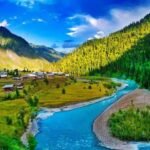
Located in Azad Kashmir, Neelum Valley is among the most scenic destinations in Pakistan.
Its rivers, forests, mountains, and traditional villages attract travelers seeking natural beauty and relaxation.
Lahore
Lahore is Pakistan’s cultural capital.
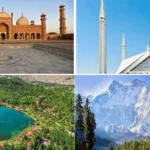
Foreign visitors can explore the Lahore Fort, Badshahi Mosque, Walled City, Shalimar Gardens, and numerous museums while experiencing local cuisine and traditions.
Karachi
Karachi is Pakistan’s largest city and economic center. Karachi is also called the city of lights.
Travelers can visit Clifton Beach, Mohatta Palace, Frere Hall, Quaid-e-Azam Mausoleum, and nearby coastal attractions.
Mohenjo-Daro
Mohenjo-Daro is one of the world’s most significant archaeological sites.
The ruins offer insight into the ancient Indus Valley Civilization, which flourished more than 4,000 years ago.
Taxila
Taxila is a UNESCO World Heritage Site and one of Pakistan’s most important historical destinations.
The area contains ancient Buddhist monasteries, temples, and archaeological remains that attract history enthusiasts from around the world.
Deosai National Park
Known as the “Land of Giants,” Deosai is one of the highest plateaus on Earth.
The region’s vast grasslands, wildlife, wildflowers, and dramatic scenery make it a must-visit destination.
Khunjerab Pass
Khunjerab Pass marks the border between Pakistan and China.
At an elevation of over 4,600 meters, it provides spectacular views and unique photo opportunities.
Multan
Known as the City of Saints, Multan is famous for its shrines, bazaars, architecture, and centuries-old cultural heritage.
The city’s blue-tiled shrines are among the most recognizable landmarks in Pakistan.
Hingol National Park
Located in Balochistan, Hingol National Park is known for its dramatic landscapes, coastal beauty, and unique rock formations.
The Princess of Hope and the Hinglaj area attract visitors interested in nature and geology.
Murree
Murree remains one of Pakistan’s most popular hill stations. For more details on Murree please look into the link
Its cool climate, pine forests, viewpoints, and winter snowfall make it attractive throughout the year.
Travel Tips & Safety
- Check visa requirements before planning your journey.
- Carry copies of important travel documents.
- Respect local customs and dress modestly in conservative areas.
- Verify weather and road conditions before traveling to remote regions.
- Keep emergency contact information accessible.
- Hire local guides where required for trekking routes.
- Carry sufficient cash in remote areas.
- Purchase travel insurance before arrival.
- Stay hydrated during high-altitude travel.
- Verify local regulations, permits, transport schedules, and accommodation availability, as these may change.
3-Day Sample Itinerary
Day 1: Islamabad & Taxila
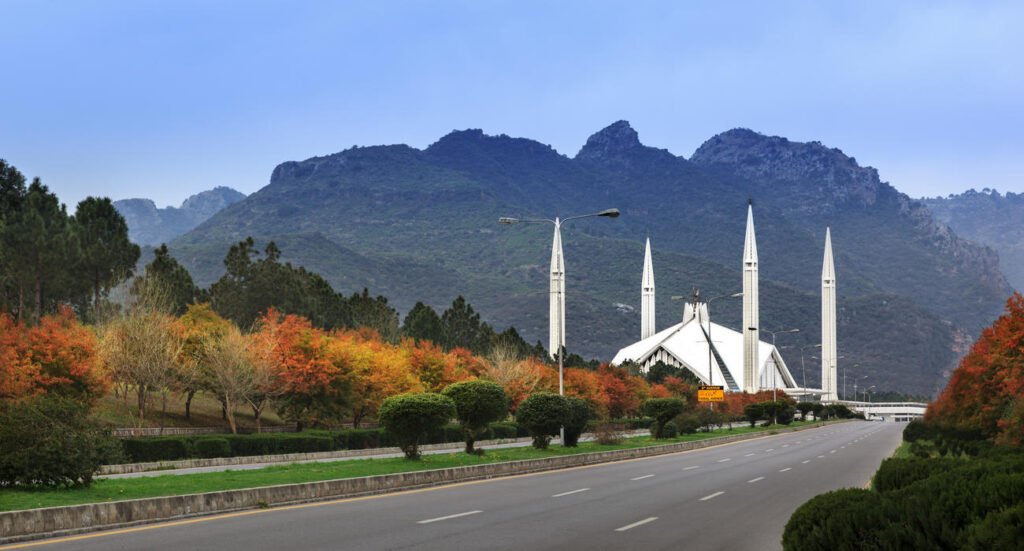
- Visit Faisal Mosque
- Explore Pakistan Monument
- Travel to Taxila Museum
- Overnight stay in Islamabad
Day 2: Murree & Patriata
- Morning drive to Murree
- Explore Mall Road
- Visit Patriata Chair Lift
- Enjoy mountain scenery
Day 3: Cultural Exploration
- Visit Lahore or continue toward northern destinations
- Explore historical landmarks
- Experience local cuisine and markets
Travelers with more time should extend their journey to Hunza, Skardu, Swat, or Fairy Meadows.
FAQs
1. Is Pakistan safe for foreign tourists?
Many tourist destinations welcome international visitors every year. Travelers should stay informed about local conditions and follow official travel advice.
2. What is the best place to visit in Pakistan for first-time visitors?
Hunza Valley is often recommended because of its scenery, hospitality, and accessibility.
3. What is the best time to visit Pakistan?
Spring and autumn generally provide comfortable weather for most destinations.
4. Do foreign tourists need a visa?
Visa requirements vary by nationality. Travelers should check official Pakistani immigration requirements before planning a trip.
5. Which city is best for cultural tourism?
Lahore is widely considered Pakistan’s cultural capital and offers numerous historical attractions.
6. What are the most beautiful places in Pakistan?
Hunza, Skardu, Fairy Meadows, Neelum Valley, and Deosai are among the most beautiful destinations.
7. Can foreigners travel to northern Pakistan?
Yes. Northern areas are among the most visited tourist destinations in the country.
8. Is English widely understood?
English is commonly used in major cities, hotels, airports, and tourist areas.
9. Which destination is best for mountain photography?
Fairy Meadows, Hunza, Skardu, and Khunjerab Pass offer exceptional photography opportunities.
10. What should foreign tourists wear in Pakistan?
Modest and comfortable clothing is generally recommended, particularly when visiting religious or rural areas.
11. Are credit cards accepted everywhere?
Major cities accept cards at many establishments, but travelers should carry cash when visiting remote regions.
12. How many days are enough for Pakistan?
A minimum of one to two weeks allows travelers to experience several major regions and attractions.