Bagh-e-Jinnah Lahore: Complete Guide to Lawrence Gardens (2025)
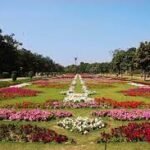
Bagh-e-Jinnah, formerly known as Lawrence Gardens, is one of Lahore’s most historic and beautiful colonial-era gardens. Spread over 141 acres, this magnificent botanical garden combines Victorian landscaping with Mughal influences, creating a serene oasis in the heart of the city.
Why Bagh-e-Jinnah is Special
Historical Significance: Established in 1862 during British colonial rule
Architectural Marvel: Blend of Victorian and Mughal architectural styles
Botanical Diversity: Home to rare plant species and themed gardens
Cultural Hub: Houses the prestigious Quaid-e-Azam Library
Recreational Space: Popular spot for families, students, and nature lovers
“Bagh-e-Jinnah is where time stands still—where Victorian elegance meets Mughal grandeur, where ancient trees whisper colonial secrets, and where every pathway leads to a new discovery in Lahore’s living museum of horticultural history.” – Historian Dr. Ayesha Malik
1. Historical Heritage of Lawrence Gardens
Bagh-e-Jinnah’s history reflects Lahore’s transformation from Mughal capital to British colonial center and finally to a modern Pakistani city.
Colonial Origins & Development
Established: 1862
Original Name: Lawrence Gardens The garden was established in 1862 during British rule and named after John Lawrence, 1st Baron Lawrence, who served as Viceroy of India. It was designed as a botanical garden and recreational space for British officials and elite residents.
Historical Timeline
1862: Established as Lawrence Gardens
Late 1800s: Development of botanical collections
1947: Renamed Bagh-e-Jinnah after independence
1970s-80s: Restoration and modernization
21st Century: Conservation and public access enhancement
Architectural Evolution The garden’s design represents a unique fusion of British Victorian landscaping principles with traditional Mughal garden architecture.
Design Influences
Victorian Landscaping: Curved pathways and informal layouts
Mughal Elements: Water channels and symmetrical patterns
Public Park Design: Recreational spaces for all visitors
2. Colonial Architecture & Structures
Bagh-e-Jinnah features several architectural gems from the colonial era that have been beautifully preserved.
Quaid-e-Azam Library Building
Style: Victorian Gothic
Built: 1866 The magnificent library building, originally built as a club for British officials, is a prime example of Victorian Gothic architecture in South Asia.
Architectural Features
Gothic Arches: Pointed arches and intricate tracery
Verandahs: Wrapped around building for climate control
High Ceilings: Victorian-style tall rooms
Stained Glass: Original windows in some sections
Woodwork: Detailed wooden beams and panels
Garden Structures & Features Various structures within the garden showcase different architectural styles and serve functional purposes.
Notable Structures
Garden Pavilion: Victorian-style open structure
Green Houses: For delicate plant species
Gateways: Ornamental entrance gates
Fountains: European-style water features
Gazebos: Shaded resting areas
3. Botanical Gardens & Plant Collections
Bagh-e-Jinnah serves as one of Lahore’s premier botanical gardens, housing an impressive collection of native and exotic plant species across its 141 acres.
Themed Garden Sections
Plant Species: 150+
Garden Sections: 8+ The garden is divided into several themed sections, each showcasing different types of plants and landscaping styles from around the world.
Garden Sections
Rose Garden: Hundreds of rose varieties including rare hybrids
Cactus Garden: Extensive collection of desert plants
Herb Garden: Medicinal and aromatic plants
Palm Grove: Various palm species from tropical regions
Fernery: Shade-loving ferns in specialized conditions
Seasonal Flower Beds: Rotating displays throughout the year
Conservation Area: Native Pakistani plant species
Notable Plant Specimens The garden boasts several remarkable trees and plants, some dating back to the colonial era when the garden was first established.
Significant Specimens
Ancient Banyan Trees: Over 100 years old with massive canopies
Royal Palms: Imported during British era, now fully mature
Rare Roses: Heritage varieties no longer commonly grown
Medicinal Plants: Traditional herbs used in local medicine
Orchid Collection: Delicate orchids in controlled environments
Succulent Garden: Water-efficient plants from arid regions
Seasonal Displays & Events
Annual Garden Events
Spring Flower Show: March-April when most flowers bloom
Rose Festival: Celebrating the rose garden’s peak season
Monsoon Plantings: Lush growth during rainy season
Winter Blooms: Special winter-flowering plants display
Educational Tours: Botanical workshops for students
Conservation Programs: Protecting endangered native species
4. Quaid-e-Azam Library – Architectural Gem
The Quaid-e-Azam Library stands as the centerpiece of Bagh-e-Jinnah, housing one of Lahore’s most prestigious book collections in a magnificent Victorian building.
Library History & Architecture
Established: 1866
Style: Victorian Gothic Originally built as the Lawrence Hall and Gymkhana Club for British officials, the building was converted into a library after independence and named in honor of Muhammad Ali Jinnah.
Historical Significance
Original Purpose: Social club for British colonial officers
Architectural Style: High Victorian Gothic revival
Conversion: Transformed into library post-1947
Renaming: Dedicated to Quaid-e-Azam Muhammad Ali Jinnah
Restoration: Several conservation projects undertaken
Library Collections & Facilities The library houses an extensive collection of books, manuscripts, and periodicals, making it a valuable resource for researchers and general readers alike.
Collection Highlights
Rare Books Section: Colonial-era publications and first editions
Pakistan Collection: Comprehensive works on Pakistani history
Reference Library: Dictionaries, encyclopedias, and atlases
Periodical Section: Historical and current magazines/journals
Children’s Section: Books and reading programs for young readers
Digital Resources: Growing collection of e-books and databases
Visitor Experience & Services
Library Services
Reading Rooms: Quiet study areas with natural light
Membership: Annual membership for borrowing privileges
Research Assistance: Help from qualified librarians
Photocopying: Document reproduction services
Events: Book launches, author talks, and literary events
WiFi Access: Internet facilities for researchers
“The Quaid-e-Azam Library is more than just a repository of books—it’s a sanctuary for the mind within a garden for the soul. Here, under Victorian arches that have witnessed history unfold, generations of readers have found knowledge, inspiration, and quiet contemplation amidst the rustling of ancient trees and the turning of well-worn pages.” – Librarian Ms. Farah Naz
5. Bagh-e-Jinnah Visitor Information 2024
Planning your visit to Bagh-e-Jinnah is easy with this comprehensive guide to facilities, timing, and accessibility.
Location & Access
Area: The Mall, Lahore
Size: 141 acres Bagh-e-Jinnah is conveniently located on The Mall Road, one of Lahore’s most historic and accessible areas.
Getting There
Address: The Mall, Lahore Cantonment
Public Transport: Accessible by bus, rickshaw, and taxi
Metro Station: Nearby station on Orange Line
Parking: Limited parking available near gates
Entry Gates: Multiple entrances from The Mall Road
Timings & Entry Fee 2024
Opening: 5:00 AM
Closing: 10:00 PM The garden offers extended hours to accommodate both early morning visitors and evening walkers.
Visitor Information
Entry Fee: Free for all visitors
Best Time to Visit: Early morning or late afternoon
Library Timings: 9:00 AM to 7:00 PM (varies)
Photography: Permitted throughout the garden
Guided Tours: Available by prior arrangement
“From the first light of dawn when walkers trace the Victorian pathways to the evening hours when students gather under ancient trees, Bagh-e-Jinnah remains Lahore’s living room—a space where history, nature, and community converge in perfect harmony.” – Regular Visitor Ahmed Raza
6. Frequently Asked Questions About Bagh-e-Jinnah
1. What is the entry fee for Bagh-e-Jinnah Lahore? Bagh-e-Jinnah has no entry fee. It’s completely free for all visitors to access the main garden areas, walking paths, and most attractions. The garden is maintained as a public space for everyone to enjoy.
2. What are Bagh-e-Jinnah Lahore timings? Bagh-e-Jinnah is open from 5:00 AM to 10:00 PM daily. These extended hours accommodate both early morning walkers and evening visitors. The Quaid-e-Azam Library within the garden has separate timings, typically from 9:00 AM to 7:00 PM.
3. Is photography allowed in Bagh-e-Jinnah? Yes, photography for personal use is allowed and even encouraged in Bagh-e-Jinnah. The beautiful colonial architecture, diverse plant collections, and scenic landscapes provide excellent photo opportunities.
4. What is the best time to visit Bagh-e-Jinnah? The best time to visit depends on your preferences. For pleasant weather and good photography light, early morning (6-9 AM) and late afternoon (4-7 PM) are ideal. Spring (February to April) offers the most spectacular floral displays.
5. Can we visit Quaid-e-Azam Library inside Bagh-e-Jinnah? Yes, visitors can access Quaid-e-Azam Library within Bagh-e-Jinnah. The library is open to the public, though you may need to register for reading room access. The magnificent Victorian building itself is worth visiting for its architectural beauty.
6. Are there guided tours available at Bagh-e-Jinnah? While there may not be regularly scheduled guided tours, the garden staff and knowledgeable volunteers are often available to provide information. For organized groups, educational institutions, or special interest groups, guided tours can be arranged by contacting the garden administration in advance.
“Bagh-e-Jinnah represents the perfect synthesis of Lahore’s layered history—a Victorian garden built during British rule, preserving Mughal landscaping principles, and serving a modern Pakistani public. It’s where colonial architecture, botanical science, and public recreation create a timeless urban sanctuary.” – Heritage Conservationist Samina Abbas