Madho Lal Hussain Shrine & Mela Chiraghan – Festival of Lights
Mela Chiraghan, or the Festival of Lights, is one of Lahore’s most ancient and spectacular spiritual celebrations, centered around the shrine of Sufi poet Shah Hussain and his disciple Madho Lal. This annual urs (death anniversary) celebration transforms the shrine into a sea of lights, music, and devotion, attracting thousands of visitors from across Pakistan and beyond.
Why Mela Chiraghan is Significant
Spiritual Heritage: One of South Asia’s oldest continuing Sufi festivals
Cultural Fusion: Blends Islamic Sufi traditions with local Punjabi culture
Musical Legacy: Celebration of Shah Hussain’s poetic and musical contributions
Symbol of Tolerance: Represents harmony between different communities
Visual Spectacle: Breathtaking display of lights and fire
“Mela Chiraghan is not just a festival; it’s a living testament to Punjab’s spiritual heartbeat—where flames dance to poetry written centuries ago, where diverse souls find unity in devotion, and where light literally conquers darkness in a spectacular celebration of love and mysticism.” – Cultural Historian Dr. Ayesha Malik
1. History & Spiritual Significance
The festival commemorates the 16th-century Sufi saint Shah Hussain, one of Punjab’s most revered mystical poets, and his beloved disciple Madho Lal, whose names are forever joined in the shrine’s name.
Shah Hussain: The Sufi Poet
Period: 1538-1599
Tradition: Qadiri Sufi Order
Shah Hussain was a pioneering Punjabi Sufi poet who composed passionate verses in the Kafi form, which continue to be sung at Sufi shrines across South Asia. He was known for challenging social conventions and expressing divine love through his poetry.
Historical Context
Born in Lahore during the Mughal era
Became a disciple of Sheikh Bahlul Daryai
Revolutionized Punjabi Sufi poetry
His poetry addressed themes of divine love and human equality
Madho Lal Hussain: A Unique Spiritual Bond
The relationship between Shah Hussain and Madho Lal represents one of South Asia’s most famous spiritual friendships. Madho, a Hindu Brahmin, became Shah Hussain’s beloved disciple, symbolizing transcending religious boundaries through spiritual love.
Symbolic Significance
Represents Hindu-Muslim unity
Embodies the Sufi concept of divine love beyond religious labels
Their joint shrine name signifies eternal spiritual partnership
Exemplifies Punjab’s composite cultural heritage
2. The Shrine Architecture & Features
The Madho Lal Hussain shrine complex showcases the evolution of Islamic architecture in Punjab, with elements from Mughal, Sikh, and British colonial periods.
Architectural Highlights
Location: Baghbanpura, Lahore
Style: Indo-Islamic
The shrine complex has evolved over centuries, with contributions from various rulers and devotees, creating a unique architectural tapestry.
Key Architectural Elements
Main Tomb: Traditional Mughal-style structure with decorative tiles
Courtyard: Spacious area for gatherings and ceremonies
Gates: Ornamental entrances from different historical periods
Prayer Areas: Designated spaces for religious ceremonies
Langar Khana: Community kitchen serving free meals
Spiritual Features
Significant Areas Within the Shrine
Main Mausoleum: Houses the graves of Shah Hussain and Madho Lal
Darbar: Ceremonial gathering space for spiritual music
Chilla Gah: Meditation and retreat space
Sacred Well: Believed to have spiritual properties
Courtyard Trees: Ancient trees where devotees tie wishes
3. Mela Chiraghan: The Festival of Lights
Held annually in March, the Festival of Lights transforms the shrine into a spectacular display of devotion, with countless oil lamps creating a magical atmosphere.
Festival Overview
Timing: Last week of March
Duration: 3 days
Mela Chiraghan marks the urs (death anniversary) of Shah Hussain, celebrated with lighting of thousands of lamps, devotional music, and spiritual gatherings.
Festival Highlights
Lighting Ceremony: Thousands of oil lamps lit at dusk
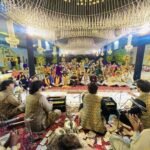
Qawwali Night: All-night spiritual music performances
Poetry Recitations: Renditions of Shah Hussain’s kafis
Spiritual Discourses: Talks on Sufi philosophy
Community Feasts: Langar (free food) for all visitors
Historical Evolution of the Festival
The festival has been celebrated for over four centuries, evolving from a small local observance to one of Punjab’s major cultural events.
Historical Timeline
16th Century: Initial celebrations by immediate disciples
Mughal Era: Royal patronage under Akbar and Jahangir
Sikh Period: Maharaja Ranjit Singh attended and supported the festival
British Colonial Era: Continued despite colonial restrictions
Modern Times: Revival and expansion as cultural tourism event
4. Rituals & Traditions of Mela Chiraghan
The Festival of Lights is rich with rituals that have been practiced for centuries, each carrying deep spiritual significance.
Lighting Ceremonies
Timing: At sunset
Significance: Spiritual illumination
The lighting of thousands of oil lamps (diyas) is the central ritual of Mela Chiraghan, symbolizing the enlightenment of the soul and the victory of light over darkness.
Lighting Traditions
Community Participation: Devotees bring their own lamps to contribute
Special Oil: Traditional mustard oil is preferred for the lamps
Placement: Lamps are arranged in patterns around the shrine complex
Prayers: Each lamp is lit with a prayer or intention
Continuous Burning: Devotees ensure lamps stay lit throughout the night
Devotional Practices
Beyond the lighting ceremony, several devotional practices are central to the Mela Chiraghan experience.
Key Devotional Activities
Dhamal: Ecstatic dance performed to rhythmic music
Prayer Offerings: Special prayers at the main mausoleum
Thread Tying: Tying colored threads to trees as prayer offerings
Circumambulation: Walking around the shrine in meditation
Offerings: Flowers, chadors, and incense as offerings
5. Cultural Events & Performances
Mela Chiraghan is not just a religious event but a vibrant cultural celebration showcasing Punjab’s rich artistic heritage.
Musical Performances
Duration: All night
Style: Traditional Sufi music
Music is the soul of Mela Chiraghan, with continuous performances that create a trance-like spiritual atmosphere.
Musical Traditions
Qawwali: Traditional Sufi devotional music
Kafi Singing: Renditions of Shah Hussain’s poetry
Dhol Players: Traditional drummers
Folk Musicians: Regional artists performing Punjabi folk music
All-Night Sessions: Continuous music throughout the festival nights
Cultural Activities
Beyond music, the festival features various cultural activities that celebrate Punjab’s heritage.
Cultural Highlights
Poetry Readings: Recitations of Sufi poetry in multiple languages
Artisan Stalls: Traditional crafts and artwork
Food Village: Traditional Punjabi cuisine and sweets
Storytelling: Narratives of Shah Hussain’s life and teachings
Spiritual Discourses: Talks on Sufi philosophy and practice
6. Visitor Information & Practical Tips
Planning your visit to Mela Chiraghan requires some preparation to fully enjoy this unique cultural experience.
Planning Your Visit
Best Time: Evening until late night
Duration: 2-4 hours recommended
To make the most of your Mela Chiraghan experience, careful planning is essential.
Visit Planning Guide
Timing: Arrive before sunset to witness the lighting ceremony
Days: The final night is most spectacular but also most crowded
Weather: March evenings can be cool; bring appropriate clothing
Footwear: Comfortable shoes for walking and standing
Cash: Bring small bills for offerings and purchases
Etiquette & Guidelines
As a religious site, the shrine has certain expectations for visitor behavior.
Visitor Guidelines
Dress Modestly: Cover shoulders and knees; head covering for women
Remove Footwear: Before entering covered areas of the shrine
Respectful Behavior: Maintain decorum in prayer areas
Photography: Ask permission before photographing people
Participation: Join rituals only if comfortable and respectful
Getting There & Accommodation
Location & Access
Address: Baghbanpura, near Shalimar Gardens, Lahore
Public Transport: Rickshaws and taxis available from city center
Parking: Limited during festival; use public transport if possible
Nearby Accommodation: Hotels in Gulberg and Lahore Fort area
Local Guides: Available for cultural context and navigation
7. Frequently Asked Questions About Madho Lal Hussain Shrine & Mela Chiraghan
1. When is Mela Chiraghan celebrated each year?
Mela Chiraghan is typically celebrated during the last week of March each year, coinciding with the urs (death anniversary) of Shah Hussain. The exact dates vary slightly according to the Islamic lunar calendar but generally fall in the spring season. The main celebrations take place over three days.
2. What is the best time to visit the shrine during the festival?
The most magical time to visit is during the evening when thousands of oil lamps are lit, creating a breathtaking spectacle. The lighting ceremony usually begins around sunset and continues into the night. For musical performances, the qawwali sessions typically start after evening prayers and continue late into the night.
3. Are there any dress code requirements for visiting the shrine?
While there’s no strict dress code, visitors are encouraged to dress modestly out of respect for the religious nature of the site. For women, covering the head with a scarf is appreciated. Both men and women should avoid wearing shorts or sleeveless tops.
4. What makes Mela Chiraghan different from other Sufi festivals in Pakistan?
Mela Chiraghan is unique for several reasons: its spectacular visual display of thousands of oil lamps, its association with one of Punjab’s most beloved poetic traditions, its celebration of Hindu-Muslim unity through the story of Shah Hussain and Madho Lal, and its continuity as one of Lahore’s oldest surviving cultural festivals.
5. Is photography allowed during the festival?
Photography is generally permitted, but visitors should be respectful when taking pictures, especially during prayer times or of people engaged in worship. It’s always best to ask permission before photographing individuals.
6. Are there facilities for international tourists at the festival?
While the festival is primarily geared toward local devotees, international tourists are welcome. Facilities include information desks, guided tours in English, and food stalls offering both local and familiar cuisine.
7. What should I bring to the festival?
Essential items include: a head covering (for women), comfortable shoes, drinking water, small cash for offerings and purchases, a camera (if desired), and a flashlight for navigating darker areas.
8. Is the festival family-friendly?
Yes, Mela Chiraghan is very family-friendly, and it’s common to see multiple generations attending together. However, the festival can be crowded and continue late into the night, so families with young children may want to visit during earlier evening hours.