Lahore’s Walled City: A Complete Guide for Tourists

Lahore’s Walled City, known as “Androon Shehr,” is the historic heart of Pakistan’s cultural capital. This ancient fortified area, with foundations dating back over a thousand years, is a living museum of Mughal architecture, bustling bazaars, and deep-rooted culinary traditions.

History & Significance

  • Origins: Historical records date its importance to the 11th century, though legends go back further.

  • Golden Age: It reached its architectural peak under the Mughal Empire, particularly under Emperor Akbar who rebuilt the city walls and its famous gates.

  • Cultural Hub: A microcosm of Pakistani culture, home to generations of artisans and diverse traditions.

The Ancient Gates

These gates once controlled access to the fortified city. Six of the original thirteen remain:

  • Delhi Gate: The most famous, facing east toward Delhi, leading to a bazaar for medical equipment.

  • Lahori Gate: The main entrance near Lahore Fort, surrounded by food stalls.

  • Others: Bhati Gate (arts quarter), Masti GateSheranwala Gate, and Kashmiri Gate.

Key Historical Landmarks

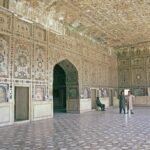
  • Lahore Fort (Shahi Qila): A 50-acre UNESCO World Heritage site featuring palaces and gardens like the stunning Sheesh Mahal (Palace of Mirrors). Entry fee required.

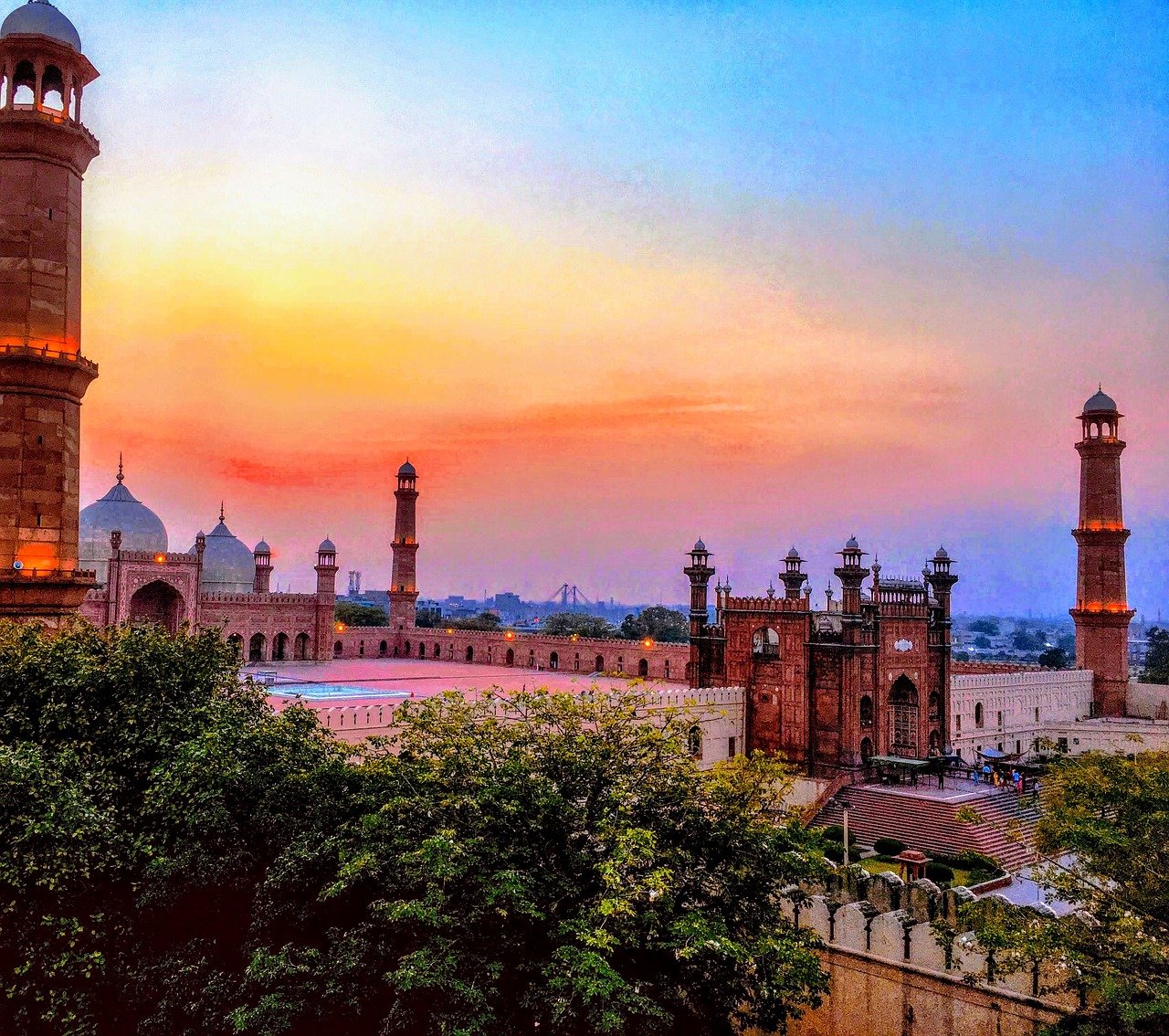
  • Badshahi Mosque: One of the world’s largest mosques, built by Emperor Aurangzeb in 1671. Free entry.

  • Wazir Khan Mosque: Renowned for its breathtaking, intricate tile work (kashi-kari). Free entry.

Historic Bazaars & Shopping

  • Anarkali Bazaar: One of South Asia’s oldest markets, selling everything from crafts to modern goods.

  • Bhati Gate Food Street: A beautifully restored culinary hotspot for traditional Lahori food.

  • Specialty Markets: Landa Bazaar (secondhand clothes), Kinari Bazaar (wedding accessories), Akbari Mandi (spices).

Culinary Delights

The Walled City is the birthplace of iconic Punjabi dishes.

  • Must-Try Foods: Nihari (slow-cooked stew), Paye (trotters soup), Chana Chaat, Lassi, and Firni (rice pudding).

  • Iconic Eateries: Phajja Siri Paye, Haji Sahib Nahari (since 1910), Chaman Ice Cream, and the restaurants on Fort Road Food Street.

Essential Visitor Tips

  • Best Time to Visit: October to March for pleasant weather. Mornings are best for sightseeing, evenings for food streets.

  • Time Needed: Allocate at least a full day; 2-3 days for a thorough exploration.

  • Guides: Hiring a certified guide is highly recommended for navigation and historical insight.

  • Dress Code: Dress modestly, covering shoulders and knees, especially for religious sites.

  • Getting Around: Narrow streets are best explored on foot or by auto-rickshaw. Use public transport (Metro Bus) to reach the area.

  • Money: Carry cash as many small shops and food stalls don’t accept cards.

Frequently Asked Questions (FAQs)

  • Is it safe? Yes, it is generally safe for tourists. Stay aware of your surroundings and consider a guide.

  • What are the fees? Lahore Fort has an entry fee (~500 PKR for foreigners). Badshahi and Wazir Khan Mosques are free.

  • Is photography allowed? Generally yes in outdoor areas. Restrictions may apply inside some religious spaces.

  • What about restrooms? Public facilities are limited; use those in restaurants or at major attractions.

Leave a Comment

Your email address will not be published. Required fields are marked *